
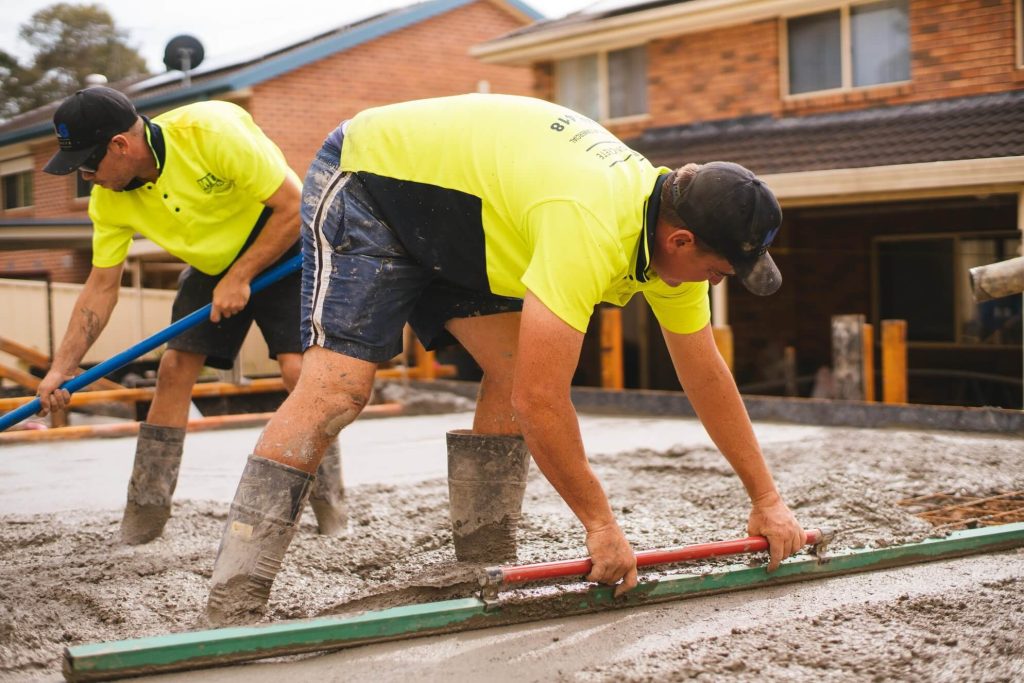
When it comes to hiring a concrete contractor, knowing what to look for can make all the difference. Whether you’re planning a new driveway, patio, or any other concrete project, ensuring you have the right professional is crucial.
As an experienced concrete contractor with extensive experience in both residential and commercial work, I’ve put together these essential tips to help you make an informed decision.
Table of Contents
- Define Your Project Needs
- Create a Shortlist of Contractors
- Ask the Right Questions
- Compare Detailed Quotes
- Check References and Past Work
- Align Schedules
- Verify Licensing and Insurance
- Get Everything in Writing
- Trust and Communication
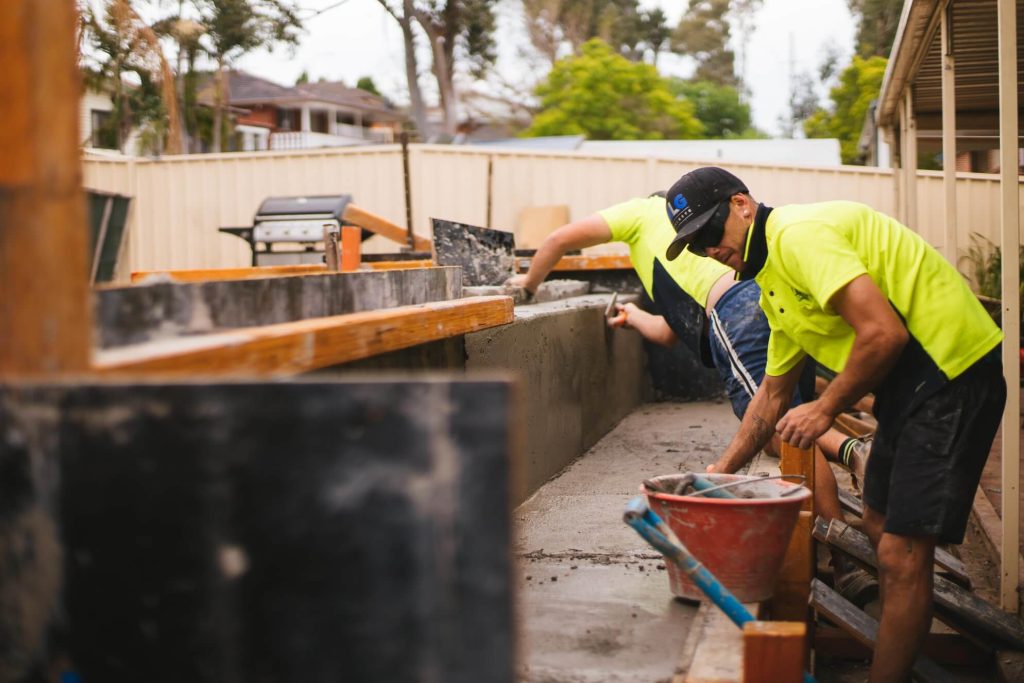
1. Define Your Project Needs
Before reaching out to a concrete contractor, it is crucial to have a clear understanding of your project requirements. Being specific about your needs will streamline the process, improve communication, and help ensure you receive accurate quotes. Here’s how you can define your project needs:
Determine the Purpose
Clearly identify the purpose of the project. Are you building a decorative concrete patio for entertaining guests, a durable driveway for vehicle access, or concrete pathways for easy garden navigation? Understanding the purpose will guide the design and material selection when consulting with a concrete contractor.
Example:
“I need a durable driveway for daily use by two cars and occasional heavy vehicles.”
“I’d like a patio that enhances my backyard aesthetics and serves as an outdoor entertaining space.”
Set a Budget
Establish a realistic budget for your project. Research the average costs of similar projects in your area to understand what you can afford. Include allowances for unexpected expenses when working with a concrete contractor.
Example:
“I have a budget of $15,000 for my driveway, including labour, materials, and permits.”
“I want a pathway within $5,000, prioritising durability over decorative finishes.”
Specify Dimensions and Layout
Take measurements and sketch a rough layout of your project area. Knowing the dimensions will help a concrete contractor provide accurate cost estimates and plan efficiently.
Example:
“The driveway should be 10 metres long and 4 metres wide, with a slight incline.”
“The patio will be a 5×5 metre square with an adjacent 2-metre-wide pathway.”
Identify Special Features
Think about additional features or requirements for your project. This could include decorative finishes, drainage solutions, reinforcement needs, or accessibility considerations. A concrete contractor can help you explore suitable options.
Example:
“I want a stamped concrete design that mimics natural stone.”
“The pathway needs to have slip-resistant finishes for safety during wet conditions.”
Understand Local Regulations
Check council requirements and regulations for concreting projects in your area. This includes obtaining necessary permits and ensuring compliance with safety and environmental standards. A concrete contractor will often be familiar with these regulations and can assist with the process.
Example:
“I need a permit for a driveway crossing the council footpath.”
“The patio must meet setback requirements from my property boundary.”
By thoroughly defining your project needs, you’ll be better equipped to discuss your vision with a concrete contractor, obtain precise quotes, and avoid unexpected complications during the project.
2. Create a Shortlist of Contractors
When planning a concrete project, finding the right concrete contractor is essential for ensuring high quality results. To begin, you’ll need to create a shortlist of potential concrete contractors to consider. Here’s how to approach this step in detail:
Ask for Recommendations:
Seek advice from friends, family, and neighbours who have recently undertaken similar projects. Personal recommendations are invaluable because they come with firsthand insights into the concrete contractor’s work quality, reliability, and professionalism.
Example:
“My neighbour recommended a concrete contractor who did an excellent job on their driveway – it’s worth checking them out.”
Search Online Reviews:
Look up concrete contractors on trusted review platforms such as Google Reviews, Yelp, or local business directories. Focus on concrete contractors with consistently high ratings and read through customer feedback for recurring themes or issues.
Example:
“Several people mentioned this concrete contractor was punctual and provided clear communication throughout the project.”
Check Professional Associations:
Consider concrete contractors affiliated with professional organisations, such as the Master Builders Association or the Housing Industry Association in Australia. Membership often indicates a commitment to industry standards and best practices.
Example:
“This concrete contractor is listed as a member of the Master Builders Association, which gives added confidence in their credentials.”
Verify Specialisations:
Different concrete contractors may specialise in specific types of work, such as residential driveways, decorative concrete, or large commercial projects. Match their expertise to your project requirements.
Example:
“This concrete contractor specialises in stamped concrete, which is perfect for the decorative patio I’m planning.”
Aim for at Least Three Contractors:
Compile a minimum of three potential concrete contractors to ensure you have options to compare. This will help you evaluate pricing, availability, and suitability for your project.
Example:
“By shortlisting three concrete contractors, I can compare quotes and ensure I’m getting value for money.”
3. Ask the Right Questions
When you start reaching out to your concrete contractor shortlist, it’s crucial to prepare a set of well thought-out questions. These questions will help you assess their experience, reliability, and approach to your project. Here are some detailed examples:
How many years have you been in business?
Understanding the concrete contractor’s level of experience can help you gauge their stability and expertise. For example, a concrete contractor with over 10 years in the industry may have a proven track record and be more adept at handling complex challenges.
Do you have experience with similar projects?
This ensures the concrete contractor is familiar with your type of project. For instance, if you’re planning a decorative concrete driveway, ask if they have completed similar installations and request to see photos or references.
What is your proposed timeline?
A clear timeline can help you plan and avoid delays. For example, ask if the concrete contractor can commit to completing your project within a specific timeframe and what factors might cause delays.
Can you provide a detailed quote?
A detailed quote should include a breakdown of material costs, labour, and any additional fees. For example, if extra groundwork is required, ensure the concrete contractor itemises it to avoid unexpected expenses.
What is your process for handling unexpected issues?
Understanding how the concrete contractor deals with unforeseen problems can provide insight into their professionalism. For example, ask how they would manage weather-related delays or address issues like cracking or uneven surfaces post installation.
By asking these detailed questions, you can make a more informed decision and ensure that the concrete contractor you choose is well suited to your project requirements.
4. Compare Detailed Quotes
When choosing a concrete contractor, obtaining detailed quotes is an essential step. This process allows you to evaluate not just the cost but also the value and scope of services offered. Below are some critical aspects to consider and examples to guide you:
Request Comprehensive Quotes
Itemised Breakdown: Ensure the quote provides an itemised list of costs, including labour, materials, equipment, and other associated expenses. For example, it should specify the price of concrete per cubic metre, delivery charges, and any additional reinforcement materials.
Example:
A quote from a concrete contractor that includes “50m² concrete slab at $100 per square metre, including mesh reinforcement and levelling” is more transparent than one that simply states “$5,000 for a slab”.
Inclusions and Exclusions: Clarify what is included in the price and what isn’t. For example, ask if the removal of old concrete or site preparation is covered.
Example:
A concrete contractor may specify: “Includes excavation and disposal of existing materials” versus “Excavation and removal charged separately”.
Assess Quality Indicators
Material Specifications: Verify the grade and quality of the concrete being offered. For instance, higher grade concrete may be more durable but also more expensive.
Example:
One concrete contractor may list M20 grade concrete in their quote, while another uses M15 grade at a lower cost.
Workmanship Guarantees: Look for mentions of warranties or guarantees on workmanship and materials.
Example:
A concrete contractor offering a “10-year guarantee on structural integrity” may provide greater peace of mind than one with no warranty.
Watch for Red Flags in Low Quotes
Too Good to Be True: Extremely low quotes might suggest substandard materials or rushed work. Always ask for clarification.
Example:
A concrete contractor whose quote excludes proper curing or sealing processes could lead to cracks or defects later.
Hidden Costs: Confirm there are no hidden fees for essential services.
Example:
A concrete contractor including an “Additional charge for pump hire” could add unexpected expenses.
Compare Communication and Professionalism
Responsiveness: Evaluate how quickly and clearly contractors respond to your queries.
Example:
A concrete contractor who promptly provides a revised quote after adjustments demonstrates professionalism.
Presentation: The layout and detail of the quote can reflect the contractor’s thoroughness.
Example:
A clearly formatted document with all terms outlined from a concrete contractor is preferable to a vague, handwritten note.
Use Quotes to Negotiate and Decide
Leverage Information: Use detailed quotes to negotiate better terms or added services.
Example:
“Can you match the other concrete contractor’s offer to include sealing at no extra cost?”
Prioritise Value: Remember, the cheapest option isn’t always the best. Factor in quality, durability, and reliability.
Example:
Choosing a quote from a concrete contractor with higher upfront costs but comprehensive services and a solid guarantee may be the better long-term investment.
By following these steps and scrutinising quotes carefully, you can make an informed decision and avoid potential pitfalls.
5. Check References and Past Work
When selecting a concrete contractor for your project, it’s crucial to verify their credentials and assess their past work. This thorough evaluation can prevent costly mistakes or substandard results. Here’s a deeper dive into how to effectively evaluate a concrete contractor:
Always Ask for References
Request a List of References:
A trustworthy concrete contractor should provide a list of previous clients without hesitation. It’s important to ensure that the references are both recent and relevant to the specific type of work you’re planning. For example, if you’re installing a new driveway or patio, ask for references from similar residential concrete projects, rather than commercial or industrial jobs.
Ask Detailed Questions:
When reaching out to references, don’t just ask whether the client was satisfied. Ask specific questions to gauge the concrete contractor’s ability to manage various aspects of the project. For example, inquire about the quality of the concrete finish, whether the project was completed on time, if the contractor communicated effectively, and whether there were any issues that were handled well or poorly.
Look for Patterns:
As you gather feedback from multiple references, look for recurring themes. Positive references might mention the concrete contractor’s punctuality, neatness, or problem-solving skills. If multiple clients point out similar concerns—such as delayed timelines or poor quality workmanship—this could signal a red flag.
Follow Up on References
Make Phone Calls or Send Emails:
Directly reaching out to the references provided is a more personal and effective way of confirming the concrete contractor’s past work. A phone call allows for a more detailed conversation, while email can be useful for requesting photos or further documentation.
Request Specifics:
Dig deeper into the details of the concrete contractor’s past work. For example, ask about how the contractor dealt with challenges that arose during the project—whether they stuck to the budget, how they communicated when issues came up, and how quickly they resolved any setbacks.
Ask for Photos or Visit the Site:
If feasible, request photos of the completed concrete work or arrange a site visit. For example, if you’re planning a driveway installation, a visit to a similar completed project will give you insight into the quality and attention to detail the concrete contractor brings to the table.
Visit Previous Job Sites
Assess the Work Quality:
If possible, visit the concrete contractor’s previous job sites to evaluate their workmanship. For example, check if the concrete surface is smooth, properly finished, and free from cracks. Small details such as these can indicate the contractor’s level of skill and commitment to quality.
Check for Durability:
Even if the job was completed some time ago, look for signs of wear or damage. For instance, if the concrete contractor poured a driveway five years ago, assess whether the surface still looks smooth and intact or if there are visible cracks, chips, or discolouration.
Consider Similar Projects:
Prioritise visiting job sites that resemble the work you need. For example, if you’re having a concrete foundation poured, visit other foundation projects the concrete contractor has completed. The closer the past projects are to your own needs, the better you’ll be able to assess their suitability.
Verify Expertise and Reliability
Check Online Reviews:
Browse online platforms such as Google Reviews, Facebook, or trade-specific directories (e.g. ServiceSeeking, Hipages) to gather unbiased feedback from a wider pool of clients. Look for trends in reviews to see if there’s consistency in the concrete contractor’s performance.
Confirm Licences and Certifications:
Make sure the concrete contractor holds the appropriate licences, such as a builder’s licence or trade-specific qualifications. In Australia, certain work, like large-scale concrete pouring, may require specific certifications. Checking these can give you peace of mind that the contractor meets Australian legal requirements.
Evaluate Professionalism:
Pay attention to the concrete contractor’s professionalism during the initial stages of the project. For example, do they arrive on time for meetings? Do they provide clear and accurate quotes? Professional conduct during the early stages is often indicative of how they’ll perform throughout the project.
Examples to Consider
Positive Reference Example:
One reference could mention that the concrete contractor was proactive in communicating project updates, adhered strictly to the timeline, and provided creative solutions when issues arose. The client might note that any problems were resolved quickly, and the final results exceeded expectations.
Negative Reference Example:
A negative reference might reveal that the concrete contractor failed to meet deadlines, leaving the client frustrated with delays. The client might mention that the contractor provided vague updates and didn’t always respond to concerns. If the work was incomplete or needed major touch-ups, this could indicate poor quality or lack of attention to detail.
Job Site Visit Example:
During a site visit to a completed project, you may observe a smooth and even concrete finish, precise edges, and no visible cracks—signs that the concrete contractor takes pride in their work and delivers a high standard of service.
6. Align Schedules
When planning a construction or renovation project, aligning schedules with your chosen concrete contractor is crucial to ensure a smooth and timely process. Below are detailed considerations and examples to help illustrate the importance of proper schedule alignment:
Understand the concrete contractor’s Availability:
Before committing to a concrete contractor, enquire about their current workload and the earliest they can start your project.
Example:
If a concrete contractor is already booked for the next three months and your project is time-sensitive, their timeline may not suit your needs.
Set Clear Expectations:
Communicate your desired start and completion dates clearly from the beginning.
Example:
“I need this driveway completed by mid-December as I’m hosting Christmas lunch. Are you able to meet this deadline?”
Assess Flexibility:
Determine if the concrete contractor can adjust their schedule to accommodate unforeseen changes in your timeline.
Example:
If your concrete delivery is delayed, can the concrete contractor shift their work schedule to avoid gaps in the workflow?
Verify Timeframe Commitment:
Ensure the concrete contractor’s promised start and completion dates are realistic and binding.
Example:
Ask for these dates in writing within the contract to avoid potential misunderstandings.
Plan for Contingencies:
Discuss backup plans for potential delays due to weather, supply chain issues, or other factors.
Example:
If the concrete contractor foresees a delay due to material shortages, ask how they plan to mitigate the impact on your project.
Coordinate with Other Stakeholders:
If other trades or professionals (e.g., plumbers, electricians) are involved, ensure the concrete contractor’s schedule aligns with theirs.
Example:
Confirm that the electrician can install wiring on the exact days when the walls will be open during construction.
Regular Communication:
Establish a communication plan to receive updates on the progress and any potential scheduling changes.
Example:
Weekly check ins via email or phone with your concrete contractor can help you stay informed and make adjustments as necessary.
By taking these steps, you can significantly reduce the risk of delays and ensure a more efficient and stress-free project. Always remember, clear communication and proactive planning are the keys to successful schedule alignment.
7. Verify Licensing and Insurance
Make sure the concrete contractor is properly licensed and insured. This protects you from liability in case of accidents and ensures the concrete contractor meets industry standards.
Licensing
Ensure the concrete contractor holds a valid licence for their trade or industry:
In Australia, many trades, such as electricians, plumbers, and builders, require specific licences. Check with your state or territory’s licencing authority to confirm their licence is current and applicable to the work they’re offering.
Example:
A concrete contractor in New South Wales should hold a licence issued by NSW Fair Trading.
Verify the scope of their licence:
Licences often specify what kind of work the concrete contractor is legally allowed to perform. Ensure their licence covers the specific services you require.
Example:
If you’re hiring a concrete contractor for driveway installation, ensure their licence includes concrete work and not just general building.
Check for additional certifications or qualifications:
Some projects, such as eco-friendly or heritage restorations, may require specialised skills or certifications.
Example:
A concrete contractor certified in decorative concrete techniques may be preferable for a custom-designed patio.
Request licence numbers and perform independent verification:
Don’t just take their word for it; use online databases or contact the licensing body to confirm the details provided.
Insurance
Public liability insurance:
This covers property damage or injuries caused by the concrete contractor during the job. Always ask for a copy of their certificate of currency to verify active coverage.
Example:
If a concrete contractor accidentally damages your neighbour’s property while pouring a slab, public liability insurance will cover the cost of repairs.
Workers’ compensation insurance:
This is mandatory for concrete contractors with employees. It ensures that workers injured on the job are covered, reducing the risk of liability falling on you as the homeowner.
Example:
If a worker is injured while laying concrete for your driveway, workers’ compensation insurance will cover their medical expenses.
Home warranty insurance (where applicable):
In some Australian states, this insurance is required for residential building work over a certain value. It protects homeowners if the concrete contractor cannot complete the work or rectify defects due to insolvency, death, or disappearance.
Example:
In Victoria, home warranty insurance is required for jobs valued at over $16,000.
Verify the concrete contractor’s insurance policies are up to date:
Expired insurance is effectively useless. Request to see proof of validity and ensure it covers the duration of your project.
Example:
Ask for insurance documents from the concrete contractor and confirm their expiration date before signing any contracts.
Tips for Verification
Use official resources: Check online licensing and insurance registries where available, such as state or territory government websites.
Ask for references: Reputable concrete contractors will have no issue providing references from past clients, who may also confirm the concrete contractor’s licensing and insurance status.
Document everything: Keep copies of all verification records, including licence numbers and insurance certificates, as part of your project file.
By thoroughly verifying a concrete contractor’s licensing and insurance, you ensure that your project will be handled professionally and with minimal risk to your property or finances.
8. Get Everything in Writing with a Concrete Contractor
When engaging a concrete contractor for your project, it’s essential to protect yourself and ensure clarity by having all agreements documented in a written contract. A detailed contract not only sets expectations for both parties but also serves as a reference point in case of disputes. Here are the key aspects to include, with examples:
- Scope of Work
Clearly define the tasks the concrete contractor is responsible for. This ensures both parties understand the extent of the work to be completed.
Examples:
- Preparation of the site, including excavation and removal of debris.
- Laying a 4-inch thick concrete slab for a 50-square-metre driveway.
- Incorporating decorative elements, such as stamped or coloured concrete finishes.
- Timeline
Include specific dates for project milestones and completion. A timeline helps keep the project on track and provides accountability.
Examples:
- Project start date: 5th February 2024.
- Completion of site preparation: 10th February 2024.
- Pouring and curing of concrete: 12th to 19th February 2024.
- Final inspection and handover: 20th February 2024.
- Payment Schedule
Outline when payments are due and the amounts required at each stage. Avoid paying the full amount upfront.
Examples:
- Initial deposit of 10% upon signing the contract with the concrete contractor.
- 40% payment upon completion of site preparation.
- 40% payment after concrete is poured.
- Final 10% payment after project completion and approval.
- Warranty Details
Specify any warranties provided by the concrete contractor. This ensures you are covered for defects or issues after the project is finished.
Examples:
- A 12-month warranty covering cracks or structural defects in the concrete.
- Guarantee on workmanship for 2 years.
- Manufacturer’s warranty on materials used in the project.
- Additional Provisions
Incorporate any additional terms or conditions to safeguard both parties.
Examples:
- Agreement that the concrete contractor will remove all construction waste upon project completion.
- Provision for penalties if the project is delayed beyond the agreed timeline.
- Clause specifying that changes to the contract must be agreed upon in writing by both parties.
By including these details in a written agreement, you ensure transparency, minimise misunderstandings, and create a solid foundation for a successful project with your concrete contractor.
9. Trust and Communication
Building trust and maintaining open communication with your concrete contractor are critical aspects of any successful project. Below are elaborations and examples to help clarify these key points:
Why Trust is Vital
Foundation of the Relationship:
Trust ensures you can rely on the concrete contractor to deliver quality work and stay committed to timelines.
Example:
A trusted concrete contractor will inform you promptly if there are any delays due to unforeseen circumstances, such as supply chain issues, and provide solutions to minimise disruption.
Peace of Mind:
Knowing your concrete contractor is dependable reduces stress and allows you to focus on other aspects of the project.
Example:
A reliable concrete contractor keeps their promises regarding the budget, avoiding unpleasant surprises at the end.
Clear and Effective Communication
Outlining Expectations: A concrete contractor who communicates clearly will set realistic expectations about the project’s timeline, costs, and potential challenges.
Example:
At the start of the project, the concrete contractor provides a detailed proposal and schedule, ensuring you’re aware of what to expect and when.
Providing Regular Updates:
Open communication means receiving progress updates, ensuring you’re always informed.
Example:
Weekly email updates or phone calls from the concrete contractor summarise completed tasks, current progress, and upcoming steps in the project.
Prompt Issue Resolution:
Good communication ensures that any problems are addressed quickly and collaboratively.
Example:
If an unexpected structural issue arises, the concrete contractor discusses options with you and provides a cost-effective solution.
Choosing the Right Contractor
Positive References and Reviews: Look for a concrete contractor with strong recommendations from previous clients.
Example:
Reading testimonials or checking online reviews where clients mention trustworthiness and effective communication with their concrete contractor.
Transparent Quotes and Contracts:
Choose a concrete contractor who is upfront about costs and includes all details in the contract.
Example:
A thorough quote from the concrete contractor that lists labour, materials, and contingency funds, with no hidden charges.
Availability and Approachability:
A concrete contractor who is easy to contact and approachable fosters trust.
Example:
Concrete contractors who promptly return calls or emails and are willing to meet in person to discuss your concerns.
By focusing on trust and communication, you lay the groundwork for a collaborative and successful relationship with your concrete contractor, ensuring your project is completed to your satisfaction.
Why Choose Us
- Expertise: Decades of experience in residential and commercial concreting.
- Quality: We use only the best materials and follow industry best practices.
- Reliability: Our team is known for being punctual and finishing projects on time.
- Customer Satisfaction: Numerous positive reviews and satisfied clients.
- Comprehensive Services: From driveways to patios, we handle all types of concrete work.
For more information or to request a free quote, contact us today. We’re here to help with all your concrete needs.
FAQs
When choosing a concrete contractor, look for someone with solid experience and a strong reputation in your area. Check their credentials, reviews, and examples of past work to ensure they’re reliable and produce quality results. Make sure they’re fully licensed and insured, and take the time to ask about their approach to your specific project. A good contractor should communicate clearly, provide a detailed quote, and be upfront about timelines and costs. By doing your homework, you’ll find someone you can trust to deliver excellent workmanship.
To determine if a contractor is reliable, start by checking their reviews and testimonials from past clients – positive feedback is always a good sign. Ask to see examples of their previous work and whether they have experience with projects similar to yours. It’s also important to confirm they’re licensed and insured, as this shows they’re professional and meet industry standards. A reliable contractor will communicate clearly, provide a detailed and transparent quote, and stick to agreed timelines. Trust your instincts during initial conversations – someone who is prompt, approachable, and upfront is more likely to deliver a quality job
A detailed contract is essential because it clearly outlines the scope of work, costs, timelines, and responsibilities, ensuring everyone is on the same page. It helps to avoid misunderstandings or disputes by setting out expectations in writing, which protects both you and the contractor. A good contract will include details like materials to be used, payment schedules, and any warranties or guarantees offered. By having everything documented, you can feel confident that your project is progressing as planned. It’s a simple step that can save you a lot of stress and ensure a smooth and successful outcome.
Verifying a contractor’s licence is simple and gives you peace of mind that they’re qualified and operating legally. Start by asking the contractor for their licence number, which you can check through your state or territory’s licensing authority—most have online tools for quick verification. Look for details like their licence status, the type of work they’re authorised to do, and whether there are any complaints or restrictions against them. A licensed contractor shows they’ve met industry standards and have the proper skills for the job. Taking this step ensures you’re hiring someone reputable and compliant with Australian regulations.
The timeline for a concrete project can vary depending on the size and complexity of the job, but most residential projects typically take a few days to a week to complete. For example, pouring a small driveway or patio may take 1–2 days, while larger or more intricate projects like decorative concrete or a slab for a new build might require additional time for preparation, curing, and finishing. It’s important to allow for curing time, which usually takes around 28 days for the concrete to reach full strength, even if it’s usable within a few days. A good contractor will provide you with a clear schedule and keep you updated throughout the process. Planning ahead ensures the job is done properly without unnecessary delays.
Unexpected issues can arise during any project, but handling them calmly and proactively is key. Start by discussing the problem openly with your contractor—they’re experienced in managing challenges and can often suggest practical solutions. Ensure any changes or additional work are documented and agreed upon in writing to avoid confusion later. Keeping clear and respectful communication throughout the process helps maintain a good working relationship. Remember, flexibility and teamwork go a long way in ensuring the project stays on track and delivers a result you’ll be happy with.
Detailed quotes are essential because they provide a clear breakdown of costs, helping you understand exactly what you’re paying for. They outline key details such as materials, labour, timelines, and any potential additional charges, which means fewer surprises down the track. A detailed quote also allows you to compare contractors more fairly and ensures transparency from the start. It’s a great way to avoid misunderstandings and keeps everyone on the same page throughout the project. Taking the time to review a thorough quote gives you confidence that the work will meet your expectations and budget.
