
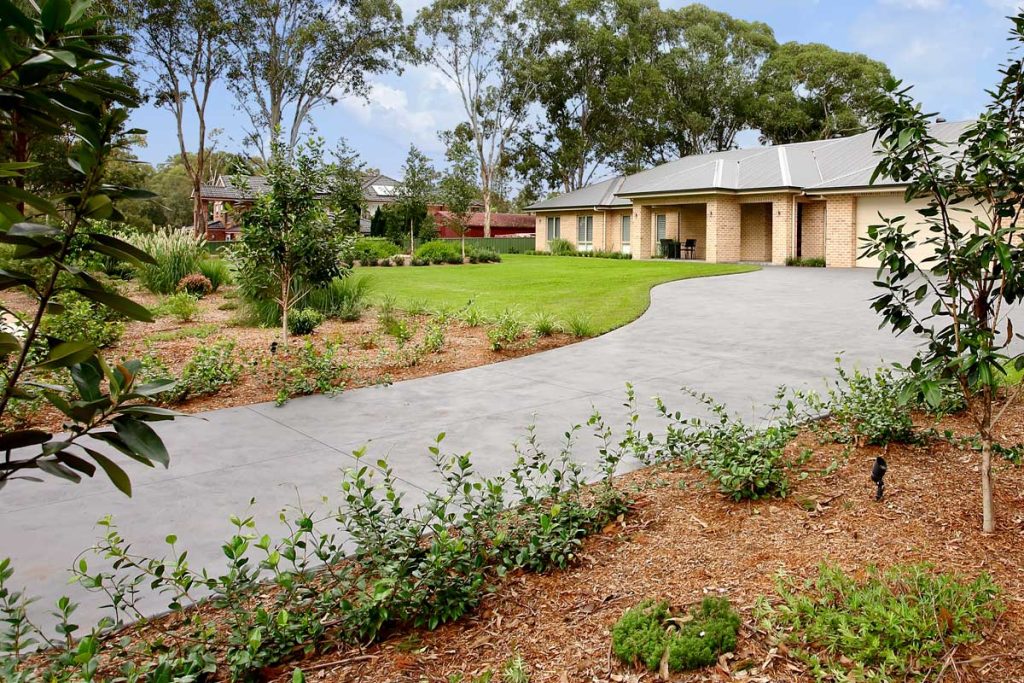
Designing concrete driveways requires a balance of practicality and aesthetic appeal, especially in Townsville’s unique climate.
Drawing from years of experience in both residential and commercial concreting, I’ll guide you through the essentials to ensure your driveway is not only functional but also enhances your property’s value.
Table of Contents
- Introduction to Perfect Concrete Driveways
- Considering Long term Needs
- Surface Texture Options
- Innovative Shapes and Designs
- Colour and Decorative Elements
- Practical Additions and Landscaping
1. Introduction to Perfect Concrete Driveways
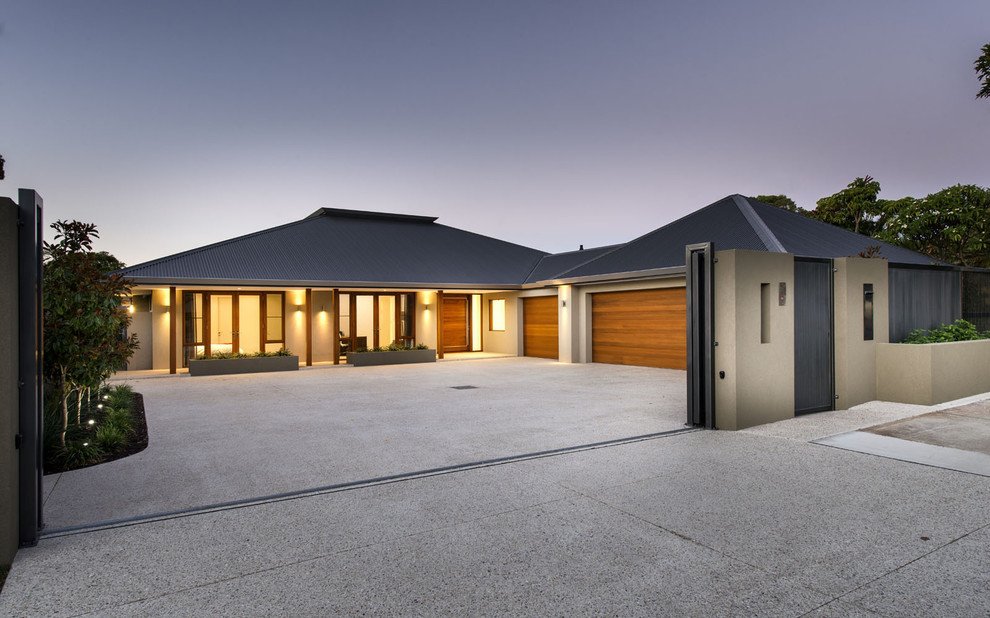
When planning Concrete Driveways, it’s crucial to consider various factors to ensure the durability and functionality of Concrete Driveways. A well designed Concrete Driveway can enhance your property’s curb appeal and provide a safe, durable surface for years to come. Let’s delve into the key aspects of creating an ideal Concrete Driveway in Townsville.
Importance of Planning:
A Concrete Driveway isn’t just a practical element of your property—it’s also a significant visual feature. Proper planning ensures the Concrete Driveway integrates seamlessly with your home’s overall design.
Climate Considerations:
Townsville’s climate, characterised by high temperatures and periodic heavy rains, demands Concrete Driveways with materials and designs that can withstand these conditions.
Cost vs. Quality:
Investing in quality materials and professional installation of Concrete Driveways upfront can save money on repairs and replacements over time.
2. Considering Long term Needs
Start by assessing your long term requirements. Concrete Driveways should accommodate not only your current vehicles but also future needs. For instance, you may plan to add a caravan or boat to your parking area. Ensure the Concrete Driveways design can handle these additions without compromising its integrity.
Vehicle Types and Weight:
Consider the types and weights of vehicles that will use Concrete Driveways. Heavier vehicles, such as caravans or work trucks, may require reinforced concrete or thicker slabs.
Space Requirements:
Factor in sufficient width and turning radius for larger vehicles using Concrete Driveways. This ensures ease of use and prevents accidental damage to landscaping or property.
Future Expansion:
Plan for potential expansions of Concrete Driveways, such as extra parking spaces or additional pathways, so you don’t have to redesign or rebuild in the future.
Lifestyle Changes:
If you foresee lifestyle changes, such as growing your family or taking up a hobby like boating, incorporate these into your Concrete Driveways initial design.
3. Surface Texture Options
The texture of your Concrete Driveways is more than just an aesthetic choice; it affects safety and maintenance. Choosing the right texture for your Concrete Driveways ensures they meet your practical needs while complementing the overall look of your property. Below are some common surface texture options for Concrete Driveways, along with their advantages and considerations:
a.Smooth Finishes
Sleek and Modern Appearance:
Smooth finishes offer a polished, contemporary look that can elevate the appearance of modern homes and minimalist designs.
Easy to Clean:
Dirt, leaves, and debris can be easily swept or hosed off, making maintenance straightforward.
Potential Slipperiness:
When wet, smooth finishes can become slippery, posing a hazard, especially in areas prone to rain or near water features.
Best Suited For:
Flat Concrete Driveways in low rainfall areas or properties with well designed drainage systems.
b.Brushed Finishes
Enhanced Traction:
The subtle grooves created during the finishing process improve grip, making it a safer option for both vehicles and pedestrians.
Simple Yet Versatile Look:
Brushed finishes offer a neat and understated appearance that complements a wide range of property styles.
Easy Maintenance:
The textured surface is less prone to visible stains, and dirt can be swept away easily.
Ideal For:
Concrete Driveways with moderate slopes or those frequently exposed to wet conditions.
c.Exposed Aggregate Finishes
Decorative Appeal:
The aggregate (pebbles or stones) embedded in the surface creates a visually interesting and customisable finish.
Durable and Long Lasting:
This finish is highly resistant to wear and tear, making it suitable for high traffic areas.
Non-Slip Surface:
The natural texture of the exposed stones provides excellent traction, even in wet conditions.
Customisation Options:
Choose from various aggregate colours and sizes to match your home’s exterior design.
Best Used For:
Sloped Concrete Driveways or homes seeking a decorative yet practical finish.
d.Stamped Concrete
Wide Design Choices:
Mimics the appearance of materials such as brick, cobblestone, or slate, providing a high end look without the associated cost.
Moderate Traction:
While not as grippy as brushed or exposed aggregate finishes, additional sealants can enhance its non-slip properties.
Maintenance Considerations:
Requires periodic resealing to maintain its appearance and durability.
Perfect For:
Homeowners looking for a stylish and affordable alternative to natural materials for their Concrete Driveways.
e.Pervious Concrete
Environmental Benefits:
Allows water to pass through the surface, reducing runoff and promoting groundwater recharge.
Slip Resistant Texture:
The porous nature of the material offers decent traction.
Modern Aesthetic:
Provides a unique look that works well with eco friendly or contemporary designs.
Regular Maintenance:
Needs occasional cleaning to prevent clogging of pores with dirt or debris.
Recommended For:
Concrete Driveways in areas with strict water management requirements or properties prioritising sustainability.
f.Final Considerations
When selecting a texture for your Concrete Driveways, think about:
- Climate: Consider how rain, ice, or heat might affect the surface’s performance.
- Safety Needs: Prioritise textures that provide adequate grip for the gradient and expected traffic.
- Aesthetic Goals: Choose a finish that enhances your property’s curb appeal and complements its design.
- Budget and Maintenance: Factor in initial costs, as well as long-term maintenance requirements, to make a practical choice.
4. Innovative Shapes and Designs
Traditional rectangular concrete driveways are functional, but don’t hesitate to explore more creative shapes for concrete driveways. Crescent or circular designs for concrete driveways can add a touch of elegance and maximise your space.
Examples of Creative Concrete Driveway Shapes and Designs:
a. Crescent Concrete Driveways
These are ideal for homes with a large frontage.
Provide a seamless flow for vehicles entering and exiting.
Create an elegant, welcoming look for the property.
Perfect for guest parking or accommodating multiple vehicles without obstruction.
b. Circular Concrete Driveways
Enhance the aesthetic appeal with a continuous loop design.
Eliminate the need for reversing out, ensuring easier and safer vehicle movement.
Suitable for homes with spacious front yards or large gardens.
c. Custom-Shaped Concrete Driveways
Concrete driveways designed to fit irregularly shaped lots.
Incorporate curves or angles that complement the property’s unique layout.
Use patterns and sections to visually distinguish parking from pathways or landscaping.
Benefits of Custom-Shaped Concrete Driveways:
a. Better Traffic Flow:
Unique designs ensure smooth entry and exit, even during busy times.
Reduce bottlenecks by considering the turning radius of larger vehicles.
b. Improved Parking Arrangements:
Incorporate bays or offshoots for additional vehicle parking.
Accommodate specific family needs, such as larger vehicles, caravans, or trailers.
c. Architectural Harmony:
Complement the design and colour scheme of your home.
Create a cohesive look by integrating landscaping elements like garden beds, trees, or decorative walls.
d. Optimised Use of Space:
Maximise your property’s potential by using previously unused or awkward areas.
Design spaces to double as recreational zones or for additional outdoor activities.
Examples of Complementary Designs for Concrete Driveways:
a. Modern Homes:
Sleek, geometric shapes with clean lines to match a contemporary aesthetic.
Integration of polished concrete driveways or exposed aggregate for a sophisticated finish.
b. Heritage Homes:
Curved concrete driveways with brick or cobblestone finishes for a classic appeal.
Incorporate traditional materials to maintain the property’s timeless character.
c. Suburban Homes:
Multifunctional concrete driveway designs that combine practical parking with stylish landscaping.
Use natural stone or stamped concrete driveways to add visual interest.
By considering these innovative shapes and designs, you can create a concrete driveway that is both functional and visually striking, adding value and appeal to your property.
5. Colour and Decorative Elements
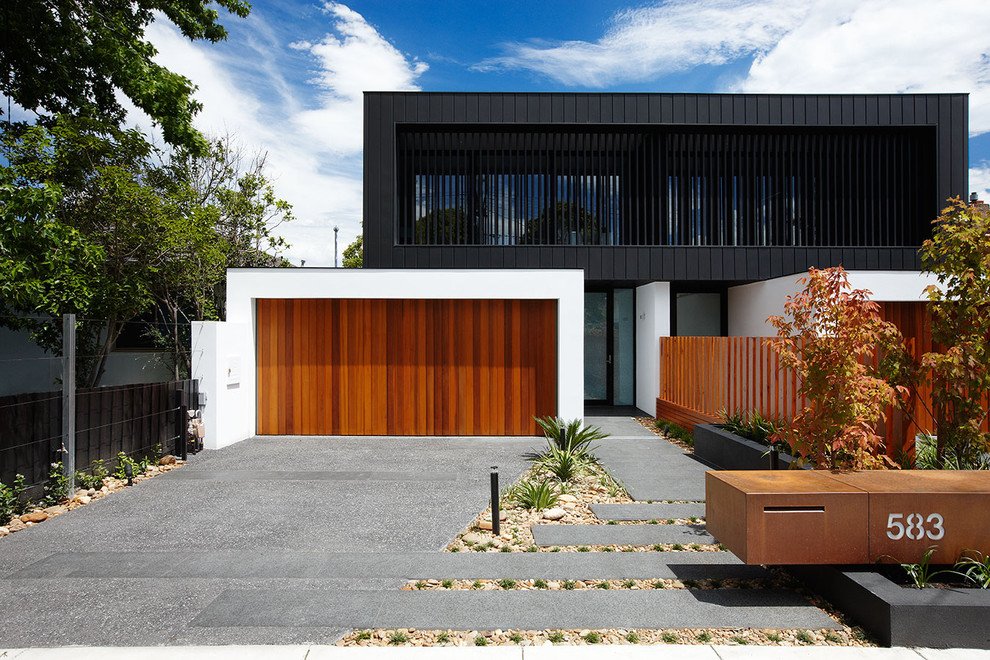
Incorporating colour into your Concrete Driveways can dramatically enhance their appearance. By exploring a variety of options, you can create a visually appealing and personalised finish that complements your home’s design. Here are detailed suggestions and examples for integrating colour and decorative elements into Concrete Driveways:
Colour Options
a. Integral Colour
This involves mixing pigments directly into the concrete before it is poured, ensuring a consistent colour throughout the slab.
Example: A warm terracotta hue can complement a Mediterranean style home, while a cool grey tone suits modern architecture, making Concrete Driveways an integral part of the design.
b. Surface Applied Colour
These include stains, dyes, or colour hardeners applied to the surface of the concrete after it has been poured.
Example: A water based stain in an earthy brown shade can create a natural stone appearance for Concrete Driveways.
Example: Vibrant dyes can add a bold, artistic touch to Concrete Driveways, such as a striking cobalt blue for a contemporary aesthetic.
Decorative Elements:
a. Stamped Patterns
Stamping creates textures that mimic other materials, such as brick, stone, or wood.
Example: A cobblestone stamp paired with earthy tones can evoke a charming, rustic feel in Concrete Driveways.
Example: Slate patterned stamps in darker hues add elegance to a formal Concrete Driveway setting.
b. Stencilled Designs
Stencilling allows for intricate patterns or motifs to be incorporated into the surface of Concrete Driveways.
Example: A floral stencil near the driveway’s edges can add a touch of whimsy and sophistication to Concrete Driveways.
Example: Geometric stencils can create a bold, modern statement in urban Concrete Driveways.
c. Borders and Accents
Adding contrasting colours or materials along the edges can frame Concrete Driveways beautifully.
Example: A charcoal border around a lighter Concrete Driveway creates a crisp, defined look.
Example: Embedding pebbles or small tiles along the edges of Concrete Driveways adds texture and interest.
d. Exposed Aggregate
Exposing the aggregate in the concrete mix creates a textured, non-slip surface, enhancing the durability and style of Concrete Driveways.
Example: A Concrete Driveway with exposed quartz aggregate can shimmer in the sunlight, enhancing its visual appeal.
Example: Adding coloured glass pieces to the mix provides a vibrant, unique finish to Concrete Driveways.
Combining Elements for a Unique Look:
a. Multicolour Schemes
Using two or more colours to create contrast or gradients can elevate the aesthetic of Concrete Driveways.
Example: A Concrete Driveway with a gradient from light beige to dark brown can mimic the natural tones of a desert landscape.
b. Decorative Scoring
Cutting shallow grooves into the concrete to form patterns enhances the customisation of Concrete Driveways.
Example: A herringbone scoring pattern in combination with a terracotta stain creates a sophisticated European vibe in Concrete Driveways.
c. Embedded Features
Incorporating decorative inlays or objects into the surface of Concrete Driveways can make them stand out.
Example: Embedding mosaic tiles in a central design can serve as a focal point for Concrete Driveways.
Example: Incorporating subtle LED lighting into the concrete adds functionality and style for nighttime visibility in Concrete Driveways.
By thoughtfully selecting colours and decorative elements, you can transform plain Concrete Driveways into stunning features that enhance your property’s curb appeal.
6. Practical Additions and Landscaping
Enhancing your Concrete Driveways doesn’t have to be limited to basic repairs or cleaning. By incorporating practical features and thoughtful landscaping, you can boost both functionality and visual appeal. Here are some ideas to inspire you:
a.Add Border Tiles or Bricks
Create a Distinct Edge:
Laying border tiles or bricks along the edges of your Concrete Driveways not only improves their aesthetic appeal but also defines the space clearly. This addition helps prevent vehicles from straying onto surrounding lawns or gardens.
Prevent Cracking:
Borders can act as a buffer, reducing the likelihood of edge cracking caused by pressure or shifting soil.
Customise the Look:
Choose materials and colours that complement your home’s exterior, such as natural stone for a rustic look or sleek, polished bricks for a modern design.
b.Integrate Grass Strips or Gravel Sections
Improve Drainage:
Incorporating grass strips or gravel areas within or alongside Concrete Driveways aids in water absorption, minimising pooling and runoff issues.
Add Greenery:
Grass strips bring a touch of nature, softening the hardscape and blending the driveway seamlessly with the garden.
Eco-Friendly Options:
Permeable gravel sections reduce the heat island effect often associated with large Concrete Driveways.
Landscaping for Longevity and Appeal
Water Runoff Management:
Strategically planting shrubs or installing rain gardens near Concrete Driveways can help manage water runoff, protecting the surface from erosion and wear.
Erosion Control:
Add low maintenance ground covers, such as native grasses or hardy plants, along the edges to stabilise soil and reduce erosion.
Enhance Visual Appeal:
Incorporate colourful flowers, ornamental grasses, or hedges to frame your Concrete Driveways and create a welcoming entrance.
Lighting Features:
Install solar powered lights along pathways or edges to enhance safety and provide an elegant nighttime aesthetic.
By combining these practical additions and landscaping ideas, Concrete Driveways can become more than just a functional feature—they can also be a statement piece that complements and enhances your property’s overall appearance.
Why Choose Our Services
- Expertise: Decades of experience in residential and commercial concreting.
- Quality: High standards and durable materials ensure long lasting results.
- Customisation: Tailored designs to meet your specific needs and preferences.
- Customer Service: Dedicated support from consultation to project completion.
- Local Knowledge: Understanding of Townsville’s unique climate and conditions.
Contact us today for more details or to request a free quote. Let our team help you create the perfect concrete driveways that adds value and functionality to your home.
FAQs
The thickness of a concrete driveway is crucial to ensure its durability and ability to withstand the weight of vehicles. For a standard residential driveway, 100mm of concrete thickness is usually sufficient for regular cars and light trucks. However, if you expect heavy vehicles, like caravans, buses, or construction vehicles, you should consider increasing the thickness to around 150mm to prevent cracking and ensure long term strength. Additionally, the subgrade (the soil or base material beneath the concrete) should be properly compacted to avoid settling or shifting over time.
The ideal surface texture for a concrete driveway should offer both function and style. A broom finish is one of the most popular choices as it provides excellent traction, which is important for wet conditions. It’s created by sweeping a broom over the freshly poured concrete, leaving a textured, slightly rough surface. If you prefer a more decorative look, exposed aggregate provides a beautiful finish by revealing small pebbles or stones embedded in the concrete. This finish not only looks stunning but is also slip-resistant. For a smoother, more modern appearance, you can opt for a polished or stamped finish, though these might not be as slip-resistant as textured surfaces.
Absolutely! Adding colour to your concrete driveway is a great way to enhance its aesthetic appeal. There are two primary methods for adding colour: integral colour, which is mixed directly into the concrete before pouring, and surface staining, which is applied after the concrete has set. Integral colour produces a more uniform colour throughout the driveway, while surface staining can create a more varied, natural look, mimicking the appearance of stone. If you want a more personalised design, there are a wide range of colours and shades available, allowing you to match your driveway to your home’s exterior or landscaping features.
Proper maintenance of your concrete driveway will help ensure it lasts for many years. First and foremost, regular cleaning is important. Use a broom or a pressure washer to remove dirt, leaves, and debris from the surface. For tough stains, you can use a mild detergent or concrete cleaner. Applying a concrete sealer every two to three years will protect the surface from moisture, oil, and other stains, while also preventing cracks from forming. If you do notice any cracks or chips, it’s essential to repair them promptly using a concrete filler or patching compound to avoid further damage. In colder climates, be cautious with the use of de-icing salts as they can degrade the concrete over time.
When designing your concrete driveway, the shape can play a significant role in both the look and function of your driveway. A straight driveway is the most common and simple option, providing easy access to your home. However, if you have a larger property, a curved driveway can add visual interest and elegance, and it can be helpful for turning into and out of the driveway more smoothly. For even more creativity, you could consider circular or circular-turn designs, especially if you want to create a grand entrance. Decorative features like patterns, exposed aggregate, and contrasting borders can also be added to enhance the shape and design of your driveway.
Proper drainage is essential to the longevity of your concrete driveway and to prevent water from pooling or damaging the surface. A driveway should ideally be sloped slightly (around a 2% incline) away from your house to allow rainwater to flow away rather than pool on the surface. To further enhance drainage, you could install a French drain or a trench drain along the sides or at the lowest point of your driveway to catch excess water. For a more eco-friendly option, you might consider using permeable concrete or pavers, which allow water to pass through and be absorbed into the ground, reducing runoff and improving water flow.
Hiring a professional for your concrete driveway installation offers many advantages. Professionals bring expertise, ensuring the job is done correctly from start to finish, including proper site preparation, the right concrete mix, and a flawless finish. They also have the tools and equipment necessary for a smooth and efficient installation, which would be challenging and costly to do on your own. Moreover, professionals are familiar with local building codes and regulations, ensuring that your driveway is compliant with any legal requirements. With their knowledge of best practices, you can be confident that your driveway will not only look great but also last for many years with minimal maintenance.
