
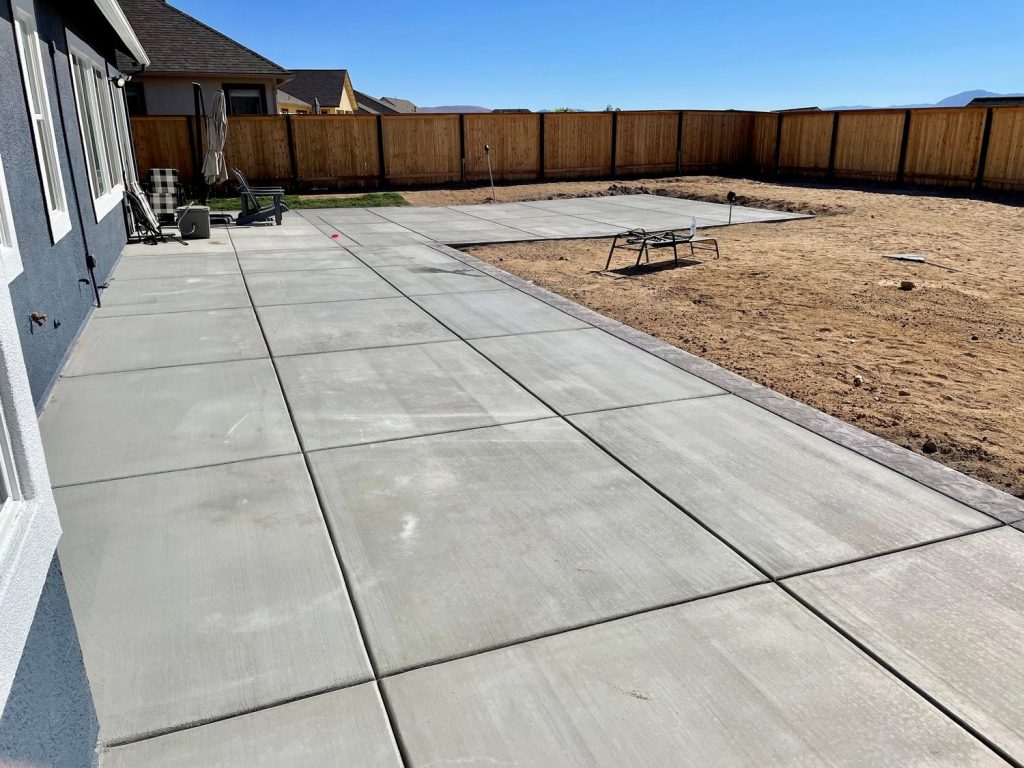
Stamped concrete is a fantastic choice for driveways in Townsville. It offers durability, aesthetic appeal, and cost effectiveness.
As an experienced concrete contractor with years of residential and commercial concreting experience, I can guide you through everything you need to know about it.
Table of Contents
- What is Stamped Concrete?
- Benefits to Driveways
- Cost
- Installation Process
- Maintenance Tips
- Design Options for Driveways

1. What is Stamped Concrete?
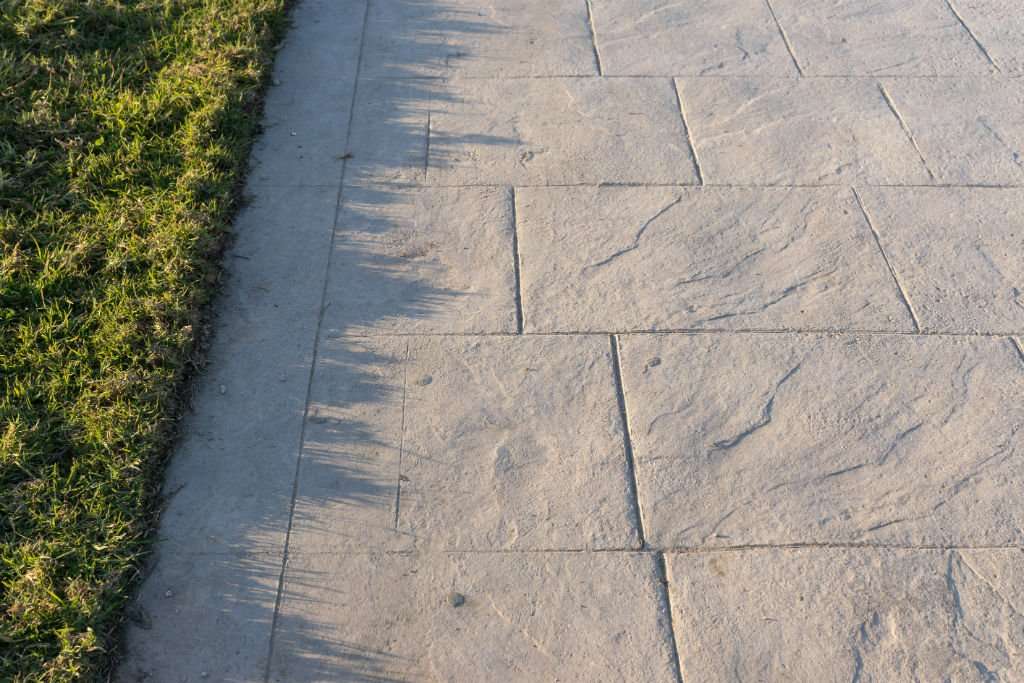
Stamped concrete is a specialised technique where wet concrete is stamped with patterns and textures that mimic the appearance of natural materials such as brick, slate, stone, or even wood. This is done by pressing moulds into the surface of the concrete before it fully sets, creating a realistic and attractive finish. Stamped concrete allows homeowners to achieve the aesthetic appeal of expensive materials without the high cost.
Examples of materials it can mimic:
Brick:
Offers the charm of traditional brick without the hassle of individual brick installation.
Slate:
Provides the sophisticated appearance of slate for patios and walkways.
Stone:
The texture of natural stone is replicated, perfect for pool surrounds or garden paths.
Wood:
Concrete can be patterned to resemble wooden planks, offering a rustic look while being more durable.
2. Benefits to Driveways
Stamped concrete offers several advantages, particularly when used for driveways, making it an attractive option for homeowners looking for both functionality and aesthetics.
Durability:
Stamped concrete is highly durable and able to withstand heavy traffic, making it ideal for driveways. It can handle the weight of vehicles, including large trucks or RVs, and is resistant to cracking when installed properly.
Low Maintenance:
Compared to other driveway materials like gravel or natural stone, stamped concrete requires minimal upkeep. It only needs occasional cleaning and resealing to maintain its appearance and functionality.
Versatility:
Stamped concrete can be made to look like a variety of materials, such as stone, brick, and even timber, providing you with many options to match your home’s aesthetic. You can choose from an endless combination of patterns and colours to suit your style.
Cost Effective:
Stamped concrete is typically much more affordable than using natural stone, pavers, or bricks. The materials are generally cheaper, and because the installation is quicker, it helps reduce labour costs as well.
Quick Installation:
Unlike other driveway materials that might require days or even weeks to install, stamped concrete can be completed much faster, typically within a few days, depending on the complexity of the design.
3. Cost
The cost of a stamped designs concrete driveway can vary based on factors such as size, design complexity, and additional features. On average, you can expect to pay between $100 and $200 per square metre in Townsville. This includes the cost of materials, labour, and any necessary site preparation..
Average Price:
In Townsville, you can expect to pay between $100 and $200 per square metre, including materials, labour, and any necessary site preparation.
Size and Complexity:
Larger driveways or more intricate designs, such as adding multiple colours or custom patterns, will naturally increase the cost.
Additional Features:
If you choose to incorporate special touches like borders, custom colours, or textured surfaces, the price will be higher.
4. Installation Process
The installation of a stamped concrete driveway involves several key steps to ensure a successful outcome. Here’s a breakdown of each stage:
Site Preparation:
The first step is to clear the area of any debris, level the ground, and set up forms that will contain the concrete. Proper preparation is critical to ensure the finished driveway is smooth and level.
Pouring the Concrete:
The concrete mix is prepared and poured into the forms. At this stage, the concrete is still wet and can be stamped with patterns or textures.
Stamping:
This is the defining step in creating the pattern. Moulds or stamps are pressed into the wet concrete to create the desired texture, such as brick, slate, or cobblestone. This step is usually more significant for patios but can also be used to give your driveway a custom appearance.
Curing:
The concrete must cure for several days to ensure it hardens properly. Curing is important as it affects the strength and durability of the final product.
Sealing:
Once the concrete has fully cured, a sealant is applied to protect the surface from the elements and enhance the colour. Sealing also helps prevent staining and prolongs the lifespan of the driveway.
5. Maintenance Tips
To keep your stamped concrete driveway in top condition, follow these simple maintenance tips:
Clean Regularly:
Sweep your driveway regularly to remove debris, and hose down the surface as needed to keep it clean. Avoid using harsh chemicals that could damage the concrete.
Reseal Every Few Years:
To protect the surface and maintain its appearance, it’s recommended to apply a new coat of sealant every 2-3 years. This helps preserve the colour and prevents damage from the sun, rain, or ice.
Avoid Deicing Chemicals:
Deicing chemicals used in winter can be harsh on concrete surfaces. Avoid using them as they can cause surface damage and premature wear.
Repair Cracks Promptly:
If cracks appear, it’s important to fill them quickly to prevent further damage. Cracks can spread and worsen, especially around areas like pool surrounds or driveways exposed to heavy traffic.
6. Design Options for Driveways
Stamped concrete offers a wide array of design possibilities to complement your home’s style. Some options include:
Patterns:
Choose from various patterns such as cobblestone, brick, slate, or flagstone. Each pattern can be customised to suit your personal preferences.
Colours:
Concrete can be tinted with a variety of colours during mixing, or stains can be applied after the stamping process. This flexibility allows you to achieve the perfect shade for your driveway.
Textures:
By using different stamping techniques, you can achieve a range of textures, from smooth finishes to more rugged, natural looking surfaces. These textures can mimic the appearance of real stone or wood.
Why Choose Us
- Experience: Over a decade of concreting experience in Townsville.
- Quality: High standards and top quality materials.
- Customer Service: We prioritise customer satisfaction.
- Expertise: Skilled in both residential and commercial projects.
- Free Quotes: Contact us for a free, no-obligation quote.
For more details or to request a free quote, contact our concreting team today!
FAQs
A stamped concrete driveway can last anywhere between 25 to 30 years, which makes it a highly durable option compared to many other materials. The lifespan is largely influenced by factors such as the quality of the installation, local climate, and how well the driveway is maintained. Regular care like resealing and addressing any minor issues early on can extend the lifespan significantly, ensuring it remains functional and attractive for many years.
Installing a stamped concrete driveway typically takes 2 to 3 days, depending on the complexity of the design and the size of the area. On the first day, the concrete is poured and stamped with the desired pattern. Afterward, the concrete must cure for a few days to ensure it hardens properly. It’s important to avoid heavy traffic on the surface for around 7 days after installation to allow it to fully set. The total time can vary based on weather conditions, as concrete needs specific temperatures to cure effectively.
Yes, stamped concrete can be repaired if it becomes cracked or damaged. Small cracks can often be filled with a colour matching concrete filler or epoxy, which blends in with the design. In cases of larger damage, a professional can resurface or re-stamp the affected area to restore its original look. Since the surface is stamped with a pattern, repairs are usually not very noticeable when done properly, and it helps to keep the driveway looking new for a longer time.
Stamped concrete can be slippery when wet, which is something to consider, especially in areas that experience frequent rain or snow. However, this issue can be easily mitigated by incorporating a non-slip texture into the design. During installation, contractors can add a subtle roughness or apply a special sealant with grip enhancing properties to reduce the chance of slipping. For those concerned about safety, discussing this option with your contractor is highly recommended to ensure a safe and functional driveway.
A stamped concrete driveway should be resealed every 2 to 3 years to maintain its appearance and prevent wear from the elements. Resealing helps protect the surface from damage caused by UV rays, weather changes, oil spills, and general wear and tear. This process also keeps the colours vibrant and the texture intact. Depending on the climate and the amount of traffic the driveway gets, you may need to reseal more frequently, but it’s an essential part of keeping the driveway in top condition for many years.
One of the most appealing features of stamped concrete is the vast array of colour options available. Colours range from natural earthy tones like reds, browns, and beiges to more vibrant hues such as blues, greens, and even custom blends. The colour can be applied in various ways, such as through integral colouring (mixed into the concrete), surface colouring (applied after the pour), or a combination of both. This flexibility allows homeowners to match the driveway to their home’s exterior, landscape, or personal style preferences, making stamped concrete a versatile and customisable option.
When comparing costs, stamped concrete is generally more affordable than natural stone or pavers, but it tends to be more expensive than plain concrete. While the initial cost may be higher than standard concrete, stamped concrete offers long term value due to its durability and low maintenance requirements. The installation process is quicker and less labour intensive than natural stone, which can make it a more cost effective option when considering both the upfront and ongoing costs. Ultimately, it offers the look of more expensive materials without the hefty price tag, making it a popular choice for homeowners seeking both beauty and value.
