
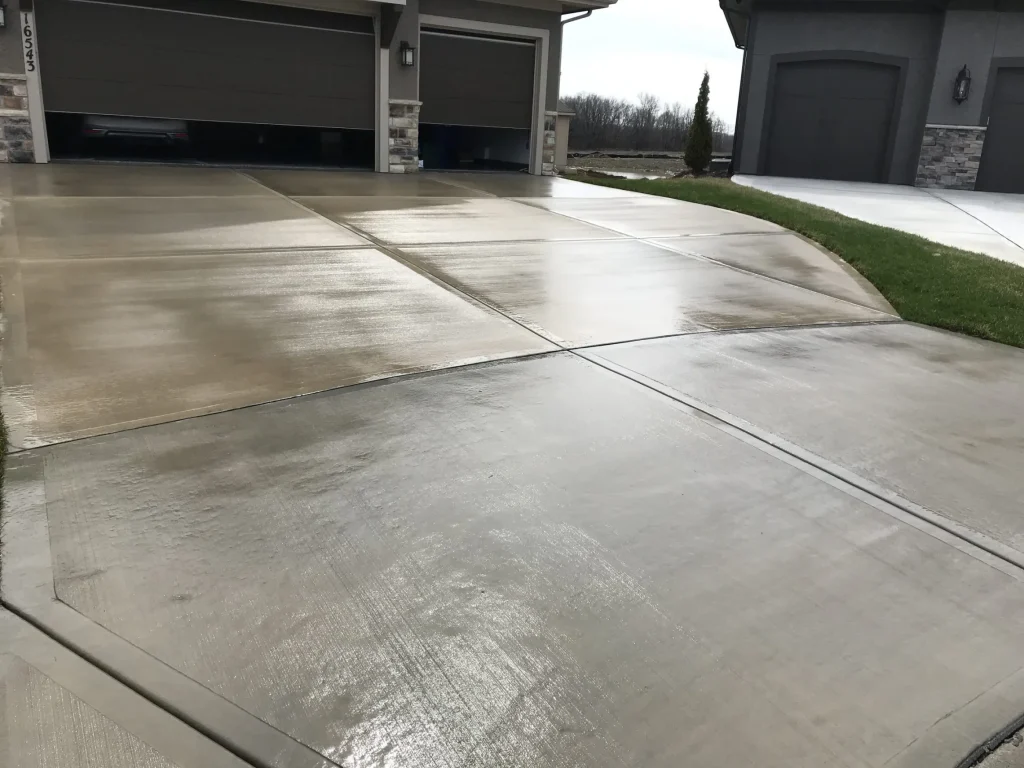
Concrete driveway sealing is essential to prolong its life and enhance its appearance. With over 20 years of experience in residential and commercial concreting, including concrete slabs, patios, driveways, and paths, I’ve gathered comprehensive insights on this process.
Here’s your detailed guide on how to effectively seal your concrete driveway in Townsville.
Table of Contents
- Types of Concrete Sealers
- Preparation for Concrete Driveway Sealing
- Application Process
- Maintenance Tips
- Common Mistakes to Avoid

Concrete driveway sealing is crucial to maintain the integrity and aesthetics of your driveway. Townsville’s climate can be harsh on concrete surfaces, making sealing an important step. Sealing helps protect against moisture, stains, and the wear and tear from daily use.
1. Types of Concrete Sealers
Understanding the different types of concrete sealers is crucial for choosing the best one for your driveway. Each type has distinct advantages suited for various conditions, making Concrete Driveway Sealing an essential step in maintaining durability and appearance. A high quality sealer not only enhances the look of your driveway but also protects it from environmental damage, wear, and staining.
Acrylic Resin Based Sealers
Acrylic sealers are a popular choice due to their affordability and ease of application. They offer significant protection against UV rays, making them particularly suitable for areas with high sun exposure, such as Townsville. These sealers create a protective layer on the surface of the concrete, reducing wear and tear while improving aesthetic appeal.
Finish & Aesthetics: They provide a glossy or satin finish that enhances the colour of the concrete, making the surface look fresh and new. The enhanced appearance can significantly boost the curb appeal of a property.
Application & Drying Time: Acrylic sealers are easy to apply using a sprayer or roller. They typically dry within a few hours, allowing for quick project completion.
Durability & Maintenance: Although effective, these sealers may require reapplication every 1-2 years due to wear caused by vehicle and foot traffic, as well as prolonged sun exposure.
Example: If you live in a sunny area like Townsville, using an acrylic sealer helps prevent the concrete from fading while offering a quick drying time. This makes Concrete Driveway Sealing particularly beneficial for maintaining a vibrant and protected surface against the harsh Australian sun.
Epoxy or Polyurethane Sealers
Epoxy and polyurethane sealers offer superior durability and protection, making them ideal for driveways exposed to heavy traffic or chemicals. These types of sealers provide a robust coating that shields the concrete from various forms of damage.
Durability & Resistance: Epoxy sealers form a hard, durable layer resistant to stains, oil spills, and abrasions. This makes them an excellent option for driveways that experience frequent vehicle movement.
Chemical Resistance & Shine: Polyurethane sealers provide additional resistance to harsh chemicals, making them suitable for driveways exposed to automotive fluids. They also create a glossy, high end finish that enhances the visual appeal of the concrete.
Application Considerations: These sealers are more expensive and require careful application. Improper application can lead to peeling or uneven finishes. Professional installation is often recommended to ensure long lasting results.
Example: In high traffic areas such as commercial driveways or garages, epoxy or polyurethane sealers provide stronger protection and a longer lasting finish. Choosing the right sealer for Concrete Driveway Sealing ensures enhanced durability and resistance against wear, stains, and chemical exposure.
Penetrating Sealers
Penetrating sealers work differently from surface sealers by seeping into the concrete, offering deep protection without altering the natural appearance. These are ideal for driveways in regions exposed to extreme weather conditions.
Weather Resistance: These sealers excel in preventing water penetration, which is crucial for areas prone to heavy rain or freezing temperatures. By reducing moisture absorption, they help prevent cracks, scaling, and other weather related damage.
Natural Appearance: Unlike film forming sealers, penetrating sealers do not create a glossy finish. They maintain the natural look of the concrete while providing long term protection.
Longevity & Maintenance: These sealers typically last up to five years before requiring reapplication, making them a cost effective choice in the long run.
Example: In areas with freezing temperatures, such as parts of southern Queensland, a penetrating sealer can protect your driveway from water infiltration and subsequent cracking. Investing in Concrete Driveway Sealing with a penetrating sealer can significantly extend the lifespan of your driveway, ensuring it remains structurally sound for years to come.
Conclusion
Selecting the right type of sealer for Concrete Driveway Sealing is essential for ensuring long term protection and aesthetic enhancement. Whether you opt for an acrylic, epoxy, polyurethane, or penetrating sealer, understanding their benefits and application requirements will help you make the best choice for your driveway’s specific needs. Properly sealing your driveway not only maintains its beauty but also enhances its resilience against weather, traffic, and chemical exposure, ensuring a well protected and visually appealing surface for years to come.
2. Preparation for Concrete Driveway Sealing
Proper preparation is key to ensuring the Concrete Driveway Sealing adheres correctly and performs effectively. Skipping any of these steps can compromise the results and lead to premature wear or failure of the sealer.
Clean the Surface
Before applying any Concrete Driveway Sealing, the surface must be clean and free of debris. Dirt, stains, and oils can interfere with the sealer’s ability to bond to the concrete, reducing its durability and effectiveness.
Use a power washer to remove dirt, dust, and grime, as it provides a deeper clean than a regular hose or broom. For best results, use a pressure washer with at least 3000 PSI to effectively lift and remove deeply embedded dirt. For stubborn stains, consider using a degreaser or concrete cleaner. Oil, grease, and rust stains should be treated with appropriate cleaning agents to ensure a clean surface. Scrub the surface with a stiff bristled brush to work the cleaner into the concrete before rinsing thoroughly. Allow the driveway to dry completely before moving to the next step. Example: If you’ve had an oil spill on your driveway, it’s essential to clean the area thoroughly before Concrete Driveway Sealing to prevent the oil from affecting the sealer’s performance. Using an absorbent material like cat litter can help soak up excess oil before applying a degreaser.
Repair Cracks and Holes
Check for any cracks or holes in the driveway and repair them before Concrete Driveway Sealing. Unrepaired damage can allow moisture to enter, which may lead to further deterioration, including larger cracks, surface flaking, or even structural damage over time.
Use a concrete filler or patching compound to fill in cracks or holes. Choose a high quality concrete repair product that is compatible with your driveway. Ensure the surface is level and smooth for an even application of the sealer. Use a trowel to smooth out the patched areas and let them cure fully according to the manufacturer’s instructions. For larger cracks, consider using a concrete caulk or epoxy filler to create a flexible, long lasting repair.
Example: If you notice small cracks forming in the concrete, patch them up using a crack filler to ensure a uniform surface for Concrete Driveway Sealing. Ignoring these minor cracks can lead to water penetration, which expands in freezing conditions and causes the cracks to worsen.
Dry Completely
After cleaning and repairing, let the concrete dry fully before applying the Concrete Driveway Sealing. Any remaining moisture can cause the sealer to bubble, peel, or fail to adhere properly, reducing its protective properties and aesthetic appeal.
It’s ideal to allow the concrete to dry for at least 24-48 hours after cleaning or repair. Drying time may vary based on weather conditions, such as humidity and temperature. If sealing in cooler or humid conditions, allow extra drying time to prevent trapped moisture from affecting the application. To test for dryness, tape a small plastic sheet to the surface and leave it for a few hours. If condensation appears underneath, the concrete is not yet fully dry. Example: If the weather has been particularly humid, allow extra time for the surface to dry out before proceeding with the Concrete Driveway Sealing. A properly dried surface ensures a strong bond between the sealer and the concrete, leading to a longer lasting finish.
3. Application Process
The correct application of the sealer ensures it delivers its full benefits. Follow these steps for a professional result when performing Concrete Driveway Sealing.
Select the Right Tools
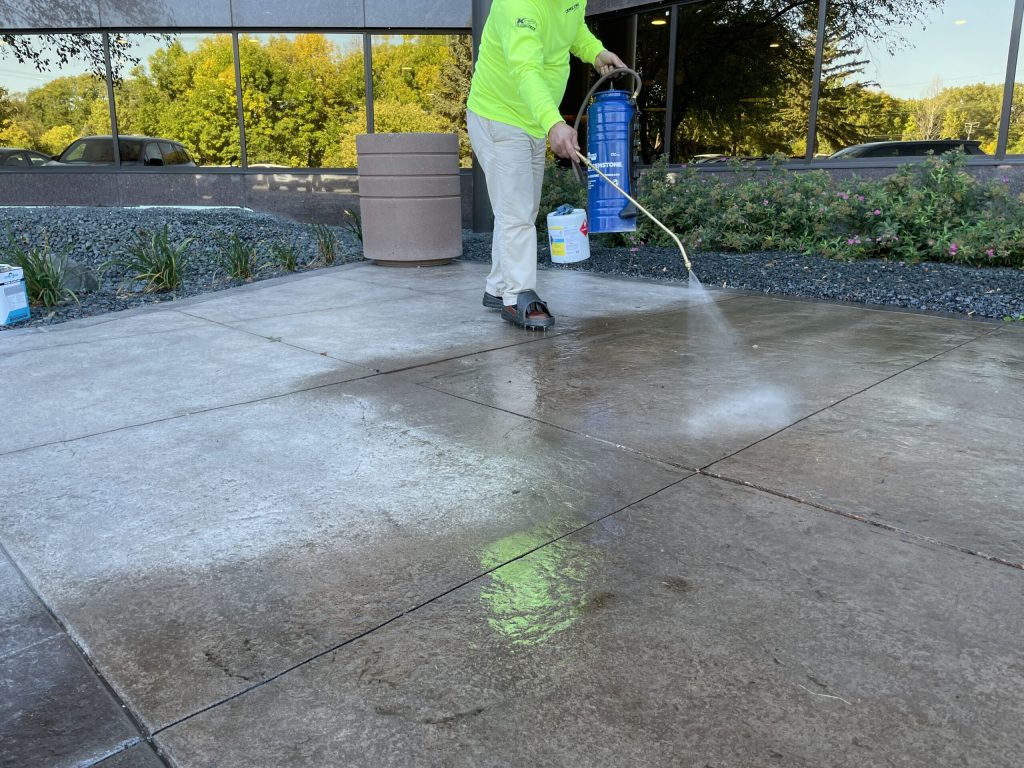
Using the appropriate tools for applying the Concrete Driveway Sealing product is essential for an even and professional finish. A roller is ideal for smaller areas or driveways with smoother surfaces, as it allows better control and precision. For larger driveways or textured surfaces, a sprayer is often the best choice, as it covers a greater area quickly and provides a more uniform coat.
Ensure the roller or sprayer is specifically designed for use with the type of sealer you are applying. For example, solvent based sealers require a sprayer with solvent resistant seals, while water based sealers can be applied using a standard sprayer or roller. Choosing the right equipment ensures that the sealer adheres properly and does not result in streaking or an uneven finish.
Example: For a large concrete driveway, using a high quality sprayer with a fan tip nozzle can save time and provide a consistent application. Conversely, a roller with a long nap is ideal for smaller driveways, edges, and detailed sections where precision is needed.
Follow Manufacturer’s Instructions
Each Concrete Driveway Sealing product has unique application instructions, making it crucial to follow the manufacturer’s guidelines for the best results. These guidelines provide essential information, including the ideal temperature range for application, drying times, and the number of recommended coats.
Applying the sealer at the correct temperature helps prevent issues such as improper bonding or slow drying. Additionally, some sealers require multiple coats, while others may need specific drying times between applications to ensure proper curing and long term protection. Ignoring these instructions can lead to poor adhesion, reduced durability, or an uneven finish.
Example: A solvent based sealer might require temperatures between 10°C and 30°C for optimal application, while a water based sealer may need a minimum of 15°C to dry correctly. Additionally, if a product recommends waiting at least 24 hours between coats, applying the second coat too soon could trap moisture and affect the sealing quality.
Apply Evenly
Proper application technique is essential for achieving a smooth and uniform finish in Concrete Driveway Sealing. Start at one end of the driveway and methodically work your way across, ensuring complete and even coverage. This prevents missed spots, streaks, and puddling, which can result in an uneven appearance and potential safety hazards.
When using a sprayer, maintain a consistent spraying motion and overlap each pass slightly to ensure full coverage. If using a roller, apply the sealer in thin coats, moving in a uniform direction to avoid roller marks. Thin, even layers dry more effectively and help prevent bubbling or cracking.
Example: If applying an acrylic sealer, it is essential to use smooth and controlled strokes to avoid excessive build up. Overapplying in one area can lead to streaks, while too little product may not provide adequate protection against moisture and stains.
Multiple Coats
Many Concrete Driveway Sealing products require multiple coats for maximum durability and effectiveness. Applying two or more coats can enhance the driveway’s resistance to stains, UV damage, and water penetration. However, each coat must be allowed to dry fully before applying the next to prevent adhesion issues.
For most sealers, two coats are sufficient to provide a protective barrier. However, high traffic areas or driveways exposed to extreme weather conditions may benefit from an additional coat. Always check the drying time between applications, as rushing the process can compromise the sealer’s performance.
Example: If you are using a penetrating sealer, two coats are generally recommended to ensure long lasting protection. For a high gloss acrylic sealer, applying three thin coats instead of two thick ones can enhance the finish while preventing peeling or flaking over time.
4. Maintenance Tips
Maintaining your Concrete Driveway Sealing is essential for preserving the integrity of the sealer and the surface underneath. Proper care can help extend the lifespan of the sealer, keeping your driveway looking clean and well maintained while protecting it from the elements.
Regular Cleaning
Keeping your driveway clean is one of the simplest yet most effective ways to maintain your Concrete Driveway Sealing. Dirt, debris, and stains can accumulate over time, which may wear down the protective seal and impact the overall appearance of the driveway.
Sweep your driveway regularly to remove leaves, dust, and other debris. If left unattended, organic matter like leaves and grass clippings can decompose and cause stains. In addition to sweeping, washing the driveway with a garden hose or a pressure washer on a low setting can help remove stubborn dirt and grime. Using a mild detergent or a cleaner specifically designed for concrete surfaces can also aid in lifting stains without damaging the Concrete Driveway Sealing.
Example: If your driveway experiences heavy leaf fall during autumn, regular sweeping and occasional rinsing can prevent organic stains from setting in and affecting the sealer.
Periodic Resealing
Concrete Driveway Sealing does not last indefinitely, and over time, exposure to weather, vehicle traffic, and general wear can diminish its effectiveness. Resealing is a crucial step in maintaining a strong protective barrier and ensuring the longevity of the sealer.
The frequency of resealing depends on the type of sealer used. Acrylic sealers typically require reapplication every one to two years, while penetrating sealers may last up to three years or more before needing a fresh coat. Regular inspections can help determine when resealing is necessary—if you notice water no longer beading on the surface, visible wear, or fading in the finish, it may be time to apply a new layer of sealer.
Example: If you live in an area with extreme sun exposure and high temperatures, UV rays can break down the Concrete Driveway Sealing faster. Resealing every two years can help maintain its protective properties and prevent premature wear.
Avoid Harsh Chemicals
Using the wrong cleaning products can significantly reduce the lifespan of your Concrete Driveway Sealing. Harsh chemicals, such as bleach, ammonia, or strong acids, can break down the sealer and cause it to degrade, leading to a loss of protection and potential surface damage.
Instead, opt for mild, pH neutral detergents or concrete safe cleaning solutions when washing your driveway. If you need to remove stubborn stains, use a soft brush or sponge rather than abrasive tools, which can wear away the sealer. In winter, avoid using de-icing salts, as they can penetrate the concrete and weaken both the surface and the sealing layer.
Example: If you accidentally spill motor oil or grease on your driveway, clean it up as soon as possible using an absorbent material like kitty litter, followed by a mild detergent and warm water to prevent permanent stains and damage to the Concrete Driveway Sealing.
By following these maintenance steps, you can ensure that your Concrete Driveway Sealing remains intact and continues to protect and enhance your driveway for years to come.
5. Common Mistakes to Avoid
To ensure the best results with Concrete Driveway Sealing, avoid these common mistakes:
Skipping Preparation
Proper surface preparation is essential for a successful Concrete Driveway Sealing application. If the surface is not adequately cleaned and repaired beforehand, the sealant may not adhere correctly, leading to uneven coverage, premature wear, and a shorter lifespan.
Before sealing, remove all dirt, dust, oil stains, and any other contaminants that could interfere with adhesion. Pressure washing is recommended for a deep clean. Any cracks or holes should be patched and allowed to cure before applying the sealer. Additionally, ensure the surface is completely dry, as trapped moisture can cause the sealer to bubble or peel over time.
Example: If you skip the cleaning process, dirt and oils can prevent the Concrete Driveway Sealing from bonding properly, leading to a patchy or peeling finish. A driveway with grease stains left untreated will result in those areas repelling the sealer, creating weak spots that wear out quickly.
Over Application
Applying too much Concrete Driveway Sealing can be just as problematic as applying too little. A thick or excessive layer of sealer may not cure properly, leading to an uneven finish, a sticky or glossy surface, and a potential slipping hazard. Some sealers can also develop white or cloudy spots if applied too heavily.
It is crucial to apply the sealer in thin, even coats, allowing each layer to dry fully before adding another. Using a roller or sprayer designed for concrete sealing will help maintain a smooth and consistent application.
Example: If you apply a thick coat of epoxy Concrete Driveway Sealing, it may leave a glossy finish that becomes slick when wet, increasing the risk of slips and falls. In extreme cases, over application can cause the sealer to flake or crack as it cures improperly.
Ignoring Weather Conditions
Weather plays a significant role in the success of Concrete Driveway Sealing. Applying the sealer in unfavourable weather conditions can cause it to dry too quickly, not adhere properly, or be washed away by rain.
The ideal conditions for sealing a concrete driveway are dry weather with temperatures between 10°C and 32°C. Humidity levels should also be considered, as excessive moisture in the air can slow down drying times or cause cloudiness in the finish. If rain is expected within 24 hours of application, it is best to postpone sealing to prevent water damage to the curing process.
Example: If you apply Concrete Driveway Sealing during a hot spell, it may dry too quickly, leading to streaks, bubbles, or an uneven surface. Conversely, sealing in cold or damp conditions may cause the product to take too long to cure, increasing the chances of dust or debris settling into the finish.
By avoiding these mistakes, you can achieve a longlasting, professional quality finish that enhances both the durability and appearance of your concrete driveway.
Why Choose Us
Here are five reasons to choose our expert concrete services:
- Experience: Over 20 years in the industry ensures top quality service.
- Quality Materials: We use only the best sealers for long lasting results.
- Professional Approach: Attention to detail from preparation to application.
- Customer Satisfaction: Our priority is your satisfaction, guaranteed.
- Free Quotes: Contact our team for a no-obligation free quote and expert advice.
For more information or to request a quote for concrete driveway sealing, please contact us today.
FAQs
The ideal time to seal your concrete driveway is during the warmer months, generally between spring and autumn when the temperature is stable, between 10°C and 30°C. This temperature range allows the sealer to properly penetrate the concrete and form a durable protective layer. It’s also crucial that there is no rain forecast for at least 24 hours after sealing, as moisture can interfere with the curing process, leading to an ineffective seal.
sealed driveway can last anywhere from 3 to 5 years, depending on various factors such as the amount of foot or vehicle traffic, exposure to the elements, and the type of sealer used. For instance, high quality, solvent based sealers tend to last longer than water based ones. Regular maintenance, such as washing and resealing, can significantly extend the life of your driveway, ensuring that it remains in top condition for years to come.
Sealing a driveway is a doable DIY project, especially if you’re comfortable with home improvement tasks. The process involves cleaning the driveway thoroughly, applying the sealer evenly using a roller or sprayer, and allowing it to cure for the recommended period. However, you’ll need to pay attention to details like the weather, as sealing in extreme temperatures or humidity can lead to poor results. If you’re unsure or want a more professional finish, it’s a good idea to hire a contractor.
For high-traffic areas, such as driveways exposed to heavy vehicle use, a penetrating sealer or an acrylic-based sealer is the best choice. Penetrating sealers are absorbed into the concrete, providing long-lasting protection against water, oil, and other substances that could cause damage. Acrylic-based sealers, on the other hand, create a protective film on the surface, offering added resistance to wear and tear. These sealers are both durable and resistant to stains, making them ideal for areas subjected to regular movement and pressure.
Maintaining a sealed driveway involves regular cleaning and inspections. Sweep your driveway regularly to remove dirt and debris that can cause scratches or stains. If needed, wash the surface with a mild detergent and water to prevent grime buildup. Avoid using harsh chemicals or abrasive cleaners, as these can degrade the sealer over time. Every few years, consider resealing the driveway to maintain its protective layer and fresh appearance. Look out for cracks or signs of wear, as these are indicators that resealing may be necessary.
Over time, your driveway will show signs that it needs resealing. If the surface appears faded, worn, or blotchy, it’s likely that the sealer has worn off. You might also notice water no longer beads on the surface, which indicates that the protective barrier has broken down. Cracks or stains that don’t wash away with simple cleaning are other clear signs that resealing is due. It’s best to reseal before any severe damage occurs to maintain the appearance and integrity of your driveway.
Sealing is highly recommended for new concrete driveways, as it helps protect the surface from the start. Fresh concrete is porous and prone to staining from oils, chemicals, and weather elements. Sealing helps to prevent these substances from penetrating the surface, reducing the risk of cracking and discolouration. It also enhances the colour and texture of the concrete, giving it a polished, clean look. Sealing a new driveway ensures its longevity, making it less susceptible to damage and wear over time.
