
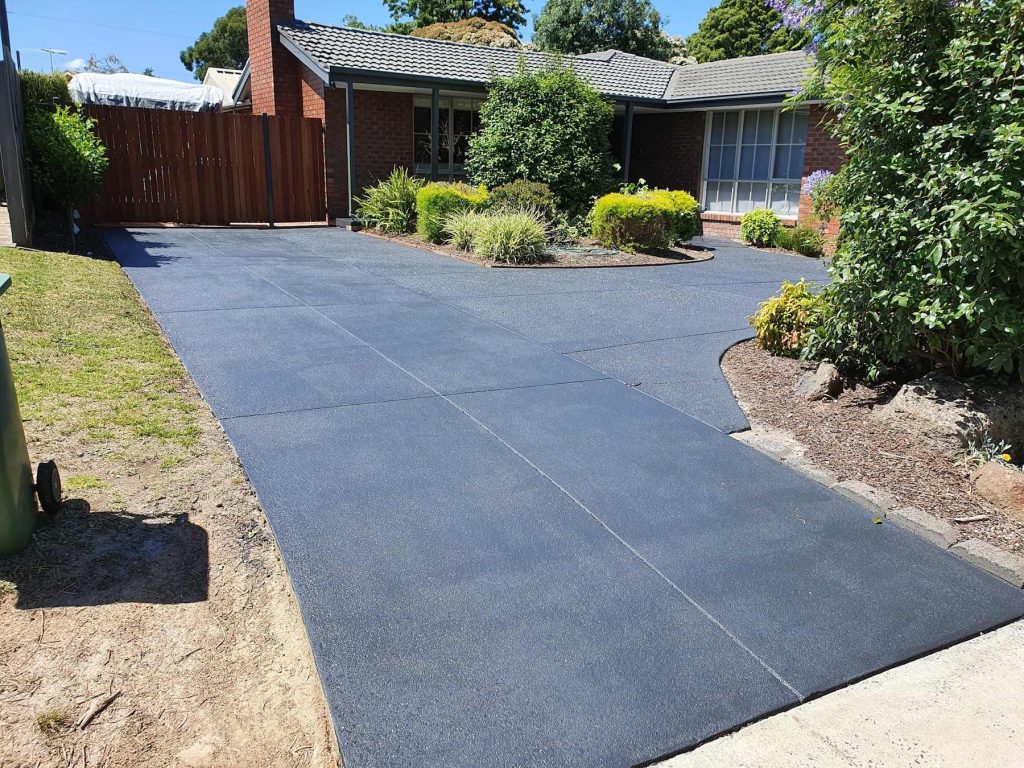
Concrete sealing is crucial to ensuring the longevity and durability of your concrete surfaces, whether for driveways, patios, or commercial slabs. In Townsville’s hot and humid climate, it’s vital to choose the right sealer for maximum protection.
This guide covers the different types of sealers, their benefits, and how to choose the best one for your needs, whether for residential or commercial projects. Proper sealing will keep your surfaces looking great and shield them from the elements for years to come.
Table of Contents
- Why Concrete Sealing is Essential in Townsville
- Types of Concrete Sealers
- Best Practices for Applying Concrete Sealers
- Common Mistakes to Avoid
- Maintaining Sealed Concrete Surfaces

Concrete sealing is a crucial part of maintaining concrete surfaces, and it should be considered for both residential and commercial properties.
Concrete sealing is important because concrete is porous and can absorb moisture, dirt, and chemicals, which over time, can lead to damage such as cracking, discolouration, and degradation. Concrete sealing protects the surface, enhances its appearance, and extends its life.
1. Why Concrete Sealing is Essential in Townsville
Townsville’s tropical climate, characterised by high temperatures and heavy rainfall, creates unique challenges for concrete surfaces, making concrete sealing essential. The consistent exposure to both heat and moisture accelerates the natural wear and tear of unsealed concrete. Over time, this can lead to costly repairs or replacement if not properly managed. Concrete sealing acts as a protective barrier, shielding surfaces from the adverse effects of constant exposure to water, UV rays, and heat. Without concrete sealing, surfaces are far more vulnerable to damage, shortening their lifespan and reducing their overall durability.
Prevention of Water Damage
Unsealed concrete has a porous nature, which allows it to absorb water. When exposed to water, the concrete expands and contracts with fluctuations in temperature, creating stress that can lead to cracks and weaken its structure over time. Water infiltration can also cause the concrete to degrade more rapidly, increasing the likelihood of severe structural damage. Concrete sealing prevents water from seeping into the surface, ensuring the concrete remains intact and stable.
Example:
A driveway that is frequently exposed to rain can quickly develop cracks if the water infiltrates the surface. As temperatures fluctuate, the trapped moisture within the concrete will expand and contract, exacerbating the cracks and further weakening the structure, leading to potentially expensive repairs.
Protection from UV Exposure
The intense Australian sun can cause significant damage to unsealed concrete. UV rays gradually break down the chemical structure of the concrete, leading to fading, brittleness, and surface deterioration. Over time, this results in an unattractive and unsafe surface. Concrete sealing creates a protective shield that blocks UV rays from penetrating the surface, preventing fading and preserving the concrete’s integrity. This makes concrete surfaces more resilient to the harsh effects of the sun.
Example:
A pool deck exposed to the sun will eventually become brittle and discoloured if it is not sealed properly. Without a protective seal, the surface can weaken and fade under constant UV exposure. By sealing the concrete, the deck’s colour and texture are preserved, enhancing its aesthetic appeal and longevity.
Ease of Maintenance
Sealed concrete provides a smooth and less porous surface, making it significantly easier to clean and maintain. Dirt, dust, and stains are less likely to penetrate the surface, while the sealing layer makes it more resistant to common contaminants such as oil, grease, and food spills. This reduces the effort required for routine maintenance and ensures that the surface remains clean and appealing with minimal effort.
Example:
In a garage where oil spills are common, sealed concrete allows for easy clean-up. Oil stains can simply be wiped away with a cloth, whereas unsealed concrete absorbs the oil, making it far more difficult to remove and leaving behind unsightly marks that may be impossible to clean completely. Concrete sealing ensures the garage floor remains pristine and requires less maintenance over time.
2. Types of Concrete Sealers
Choosing the right concrete sealing depends on both the location and intended use of the surface. Different types of concrete sealers provide specific benefits that cater to various conditions. Below are detailed descriptions of the types of concrete sealing options:
Penetrating Sealers
Penetrating sealers are best suited for outdoor concrete surfaces in Townsville, especially considering the area’s tropical climate. These sealers work by absorbing into the concrete to form a protective barrier that repels moisture from within. They are an ideal choice for surfaces exposed to rain and humidity.
Moisture Resistance
Penetrating sealers are effective at preventing water from being absorbed by the concrete, which significantly reduces the potential for damage caused by rain and high humidity levels. This helps to preserve the integrity of the concrete over time, as excess moisture can cause cracking or deterioration.
Example: A driveway sealed with a penetrating sealer will prevent water from seeping into the concrete during heavy downpours, reducing the risk of surface damage.
Long Lasting Protection
These sealers are known for their durability and ability to last for a long time without needing frequent reapplication. They provide deep protection, enhancing the structural integrity of the concrete surface.
Example: A garden path remains structurally sound and free from damage, despite being regularly exposed to weather conditions, thanks to the long-lasting effects of the penetrating sealer.
Acrylic Sealers
Acrylic sealers are popular for creating a thin protective layer on the surface of the concrete, which provides a glossy finish and protection against UV damage and minor stains. These sealers are fast-drying and cost-effective, making them a common choice for residential applications.
Fast Drying & Cost Effective
One of the key advantages of acrylic sealers is that they dry quickly, often within an hour or two, allowing homeowners to seal their surfaces without significant downtime. This makes it a budget-friendly solution for residential applications.
Example: A homeowner seals their outdoor patio with an acrylic sealer, and within a day, the space is ready for use, avoiding any delays in enjoying the area.
Enhanced Aesthetic Appeal
Acrylic sealers provide a glossy or matte finish, giving the concrete surface a refreshed and polished appearance. This enhances the visual appeal of the concrete while also adding an additional layer of protection against surface wear and stains.
Example: A footpath outside a café remains fresh and inviting, maintaining its glossy finish without fading, thanks to the acrylic sealer applied to the surface.
Polyurethane Sealers
Polyurethane sealers are highly durable and are commonly used for surfaces subjected to heavy foot traffic or machinery. They provide excellent resistance to chemicals, abrasions, and UV rays, making them a strong contender for both residential and industrial applications.
Superior Durability
Polyurethane sealers offer superior protection against wear and tear, making them ideal for areas with high traffic or heavy use. These sealers can withstand the effects of continuous foot or vehicle traffic, ensuring the concrete remains intact and well-protected.
Example: A warehouse floor sealed with polyurethane can withstand the movement of heavy machinery, preserving the surface despite constant pressure and stress.
Chemical Resistance
Polyurethane sealers are highly resistant to chemicals, oils, and other harsh substances. This makes them perfect for areas where spills or chemical exposure are common, as they protect the concrete from staining and degradation.
Example: A workshop floor sealed with polyurethane resists damage from accidental oil or chemical spills, ensuring long-term protection of the surface.
Silane/Siloxane Sealers
Silane/siloxane sealers are designed to penetrate deeply into the concrete, creating a breathable barrier that protects against water while allowing moisture vapour to escape. These sealers are particularly effective in areas with high humidity, such as Townsville’s tropical environment.
Prevention of Efflorescence
Silane/siloxane sealers help prevent efflorescence, the white mineral deposits that can form on concrete when moisture rises to the surface and evaporates. This keeps the concrete looking cleaner and free from unsightly chalky residues.
Example: A retaining wall sealed with silane/siloxane remains free from white mineral deposits over time, ensuring that the structure looks neat and well-maintained.
Ideal for Humid Climates
Due to their ability to allow moisture vapour to escape while preventing water penetration, silane/siloxane sealers are particularly well-suited for humid climates like Townsville’s tropical weather. This helps to protect concrete surfaces exposed to high humidity levels and occasional flooding.
Example: A waterfront walkway sealed with silane/siloxane remains protected from water damage, despite constant exposure to humidity and seasonal flooding events.
By choosing the appropriate concrete sealing option based on the environment and surface usage, you can ensure that your concrete is protected and maintains its integrity for years to come.
3. Best Practices for Applying Concrete Sealers
To get the best results, proper preparation and application techniques are essential for effective concrete sealing:
Surface Preparation:
Before applying the concrete sealer, it’s crucial to clean the surface thoroughly to remove any dirt, oil, or debris. This ensures the sealer bonds properly to the concrete and provides maximum protection. Cleaning methods vary depending on the surface type, but pressure washing is a highly effective way to remove stubborn dirt and grime, leaving the surface free of contaminants. If necessary, use a degreaser for oil stains.
Example: A pressure-washed driveway ensures the sealer bonds effectively, creating a durable protective layer that prevents stains and weather damage.
Weather Conditions:
Concrete sealing should be applied during mild temperatures, typically between 10°C to 25°C. Applying the sealer in extreme heat, humidity, or rain can lead to improper curing and may result in poor adhesion or uneven finishes. Avoid sealing concrete on days with high humidity or when rain is expected within the next 24 hours. The temperature influences the drying time, so applying in cooler conditions helps the sealer to set gradually and evenly.
Example: A patio sealed on a hot afternoon may dry too quickly, resulting in an uneven finish or streaks. By waiting for cooler, dry weather, you ensure a smoother, more consistent seal.
Application Method:
The application method is crucial to achieving an even and durable coat of sealer. A roller, sprayer, or brush can be used, depending on the size and type of surface. A roller is ideal for large, flat areas like driveways or patios, while a sprayer may be more suitable for intricate patterns or large-scale coverage. Ensure the tool you use applies an even coat, avoiding over-application in certain spots which can cause pooling.
Example: A garden path sealed with a roller achieves a smooth, consistent coat, ensuring that no area is left uncovered and the surface receives full protection from the sealer.
By following these steps carefully, you can maximise the effectiveness and longevity of your concrete sealing, ensuring that the surface is well-protected and looks great for years to come.
4. Common Mistakes to Avoid
Skipping Surface Preparation:
Proper surface preparation is crucial for ensuring that the sealer adheres effectively to the concrete. If the surface is not cleaned properly, dirt, oil, grime, or even moisture can hinder the sealer’s ability to bond, leading to a poor finish. This lack of preparation can result in patches, bubbling, or peeling of the sealer over time. Cleaning the concrete thoroughly before applying the sealer will ensure that it penetrates and adheres well, providing long-lasting protection. For optimal results, it is also recommended to allow the surface to dry completely before sealing.
Using the Wrong Sealer:
Choosing the appropriate concrete sealer for your specific environment and intended use is essential. Each sealer type is designed for different conditions, and using the wrong one can significantly reduce its effectiveness. For instance, non-penetrating sealers are typically designed for indoor use, as they form a surface film that can trap moisture when used outdoors, leading to cracking and damage from freeze-thaw cycles. Conversely, penetrating sealers are ideal for outdoor surfaces, as they soak into the concrete, providing lasting protection without creating a slippery surface. Using the wrong sealer can cause it to wear off prematurely or fail to protect the concrete adequately. For example, a non-penetrating sealer on an outdoor driveway exposed to heavy rainfall may wear off quickly, leaving the surface unprotected and vulnerable to damage.
Over Application:
When too much sealer is applied to the surface, it can result in a cloudy, uneven finish. The excess sealer can pool in certain areas, creating an undesirable, patchy appearance that detracts from the overall look of the concrete. Additionally, over application can make the surface slippery, which is particularly dangerous on walkways or pool decks. For instance, a pool deck sealed with too much product might become slippery when wet and could create unsightly streaks or patches where the sealer has not dried evenly. To avoid this, always follow the manufacturer’s recommendations for the correct amount of sealer to apply, and use a high-quality applicator to ensure an even coat.
5. Maintaining Sealed Concrete Surfaces
Once sealed, maintaining your concrete surfaces is straightforward but essential for ensuring long-lasting protection. Proper maintenance will help preserve the integrity and appearance of your concrete, keeping it in top condition for years.
Regular Cleaning
Cleaning your concrete regularly is crucial to prevent dirt and debris from accumulating. Sweep the surface frequently to remove any loose dirt, leaves, or other debris. It’s also important to wash the concrete periodically to maintain its appearance and functionality. This can be done with a simple hose-down or a pressure washer, depending on the level of dirt. Regular cleaning helps prevent the build-up of grime, which can wear down the concrete sealer over time.
Example: A sealed commercial walkway, when maintained with regular pressure washing, remains clean and free from stains, enhancing the surface’s appearance and extending the life of the concrete sealing.
Reapplication When Needed
Even though concrete sealing provides a protective barrier, it is essential to reapply the sealer every 2-3 years or sooner if you notice signs of wear. Over time, exposure to the elements and regular use can cause the sealer to fade or wear away. When the sealer begins to look dull or cracks appear, it’s time to refresh the protective layer. Reapplying the concrete sealer not only restores its appearance but also ensures that the surface remains well-protected from water, stains, and wear.
Example: A faded and dull driveway can regain its shine and protective barrier with a fresh coat of concrete sealer, offering a renewed defence against the elements and daily traffic.
By following these simple yet effective maintenance steps, you can significantly extend the lifespan of your concrete surfaces. Keeping the surface clean and resealing when necessary will help ensure that your concrete remains durable, functional, and visually appealing for years to come.

Why Choose Our Concrete Sealing Services
Our team of experienced contractors understands the specific needs of Townsville’s climate. Whether you need sealing for a residential driveway or a commercial slab, we offer high quality, durable solutions tailored to your requirements. Here are five reasons to choose us:
- Local Expertise: With years of experience in Townsville, we know what works best in this climate.
- Quality Products: We only use industry leading sealers that are proven to withstand the harshest conditions.
- Tailored Solutions: We assess your specific needs and recommend the best sealer for long term durability.
- Professional Application: Our skilled team ensures the job is done right, with proper surface preparation and expert application techniques.
- Customer Satisfaction: We stand by our work and offer ongoing support to ensure your concrete remains protected.
For more details or to request a free quote, contact us today.
FAQs
Concrete sealing is the process of applying a protective coating to concrete surfaces to help shield them from water damage, stains, mould growth, and general wear and tear. In Townsville’s climate, where extreme heat, heavy rainfall, and high humidity are common, sealing prevents moisture from penetrating the concrete, reducing the risk of cracking, erosion, and discolouration. It also makes the surface easier to clean, as it stops oil, dirt, and other contaminants from soaking in. By sealing your concrete, you not only enhance its durability but also improve its overall appearance, keeping it looking fresh and well maintained for years.
Due to Townsville’s hot and humid weather, it’s recommended to reseal concrete with concrete sealing every two to three years to maintain its protective barrier. The intense UV rays can break down concrete sealers over time, while the frequent rain and high moisture levels can lead to faster wear. If your concrete is exposed to heavy foot traffic, vehicle use, or harsh weather conditions, you might need to apply concrete sealing more frequently. Checking for signs of fading, reduced water beading, or increased surface roughness can help you determine when it’s time to reapply a fresh coat of concrete sealing. Regular concrete sealing ensures your concrete remains strong and resistant to the elements.
Yes, applying a concrete sealing product is something you can do yourself if you follow the right steps and use the correct products. However, proper preparation is essential—this includes thoroughly cleaning the surface, ensuring it is completely dry, and choosing a concrete sealer that suits your specific needs. The concrete sealing application process involves using a sprayer, roller, or brush to spread the sealer evenly across the surface, followed by sufficient drying time. While a DIY approach can save money, hiring a professional ensures a more even and durable finish, especially if you’re dealing with large areas or tricky surfaces. A professional will also know the best type of concrete sealer for your climate and usage requirements, ensuring long-lasting protection.
The best type of sealer for concrete sealing driveways in Townsville is typically a high-quality penetrating or solvent-based acrylic sealer. Penetrating sealers soak into the concrete and offer long-term protection against moisture and stains while maintaining a natural finish. Solvent-based acrylic sealers, on the other hand, provide a stronger surface barrier and enhance the colour of the concrete, making it look richer and more polished. Given Townsville’s climate, it’s also advisable to choose a UV-resistant and non-slip concrete sealing option, as the intense sun and heavy rains can cause fading and slippery surfaces. If your driveway experiences heavy vehicle traffic, opting for a durable, high-performance concrete sealing sealer will ensure better longevity and protection.
The time required for concrete sealing depends on the size of the area, the type of sealer used, and the weather conditions. Generally, the process takes around a day, including surface preparation, application, and drying. Before sealing, the concrete must be thoroughly cleaned and completely dry, which may take several hours or even a full day in humid conditions. Once applied, most sealers require at least 24 hours to cure before being exposed to heavy use, such as foot traffic or vehicles. It’s best to check the manufacturer’s recommendations for precise curing times, and if possible, avoid sealing on extremely hot or rainy days to ensure the best results.
Concrete sealing can enhance the look of your concrete, depending on the type of sealer used. Some concrete sealers slightly darken the surface and give it a low sheen, fresh appearance, while others provide a high gloss, wet look finish that makes colours pop. If you prefer a more natural appearance, penetrating concrete sealers won’t change the look much but will still provide protection. Matte and satin finishes are also available for those who want a subtle, refined look. Regardless of the finish, concrete sealing helps to prevent fading and discolouration caused by sun exposure, making your concrete look newer for longer.
If you don’t engage in concrete sealing, your concrete becomes far more susceptible to damage from moisture, UV exposure, stains, and everyday wear and tear. Unsealed concrete is porous, meaning it can absorb water, oil, and other substances, leading to discolouration, mould growth, and even structural weakening over time. In a climate like Townsville’s, where humidity and rain are common, unsealed concrete can deteriorate more quickly, developing cracks and surface erosion. Without concrete sealing, cleaning becomes more difficult, as stains and dirt become embedded in the surface. Regular concrete sealing helps to extend the lifespan of your concrete, keeping it strong, functional, and visually appealing while reducing the risk of costly repairs.
